
Last updated November 21, 2026
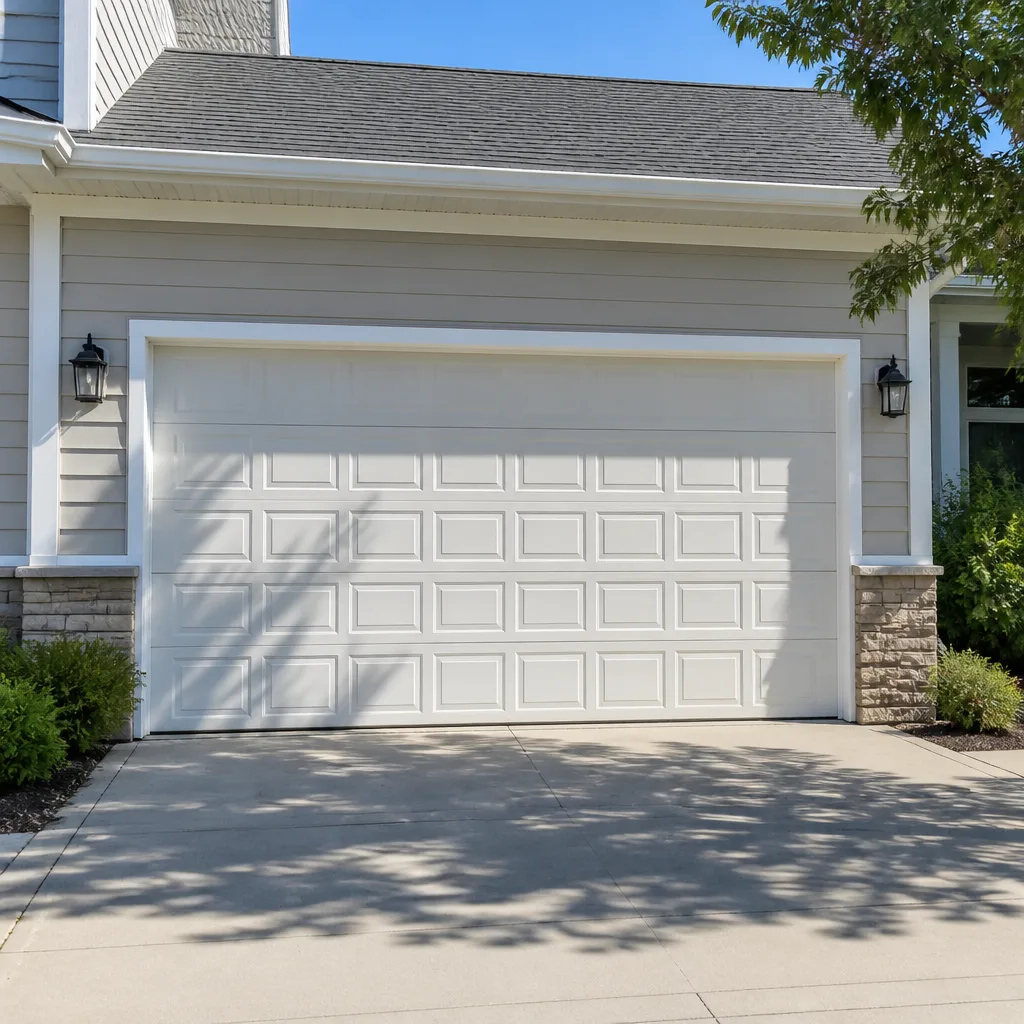 Raised-panel steel
 Carriage house
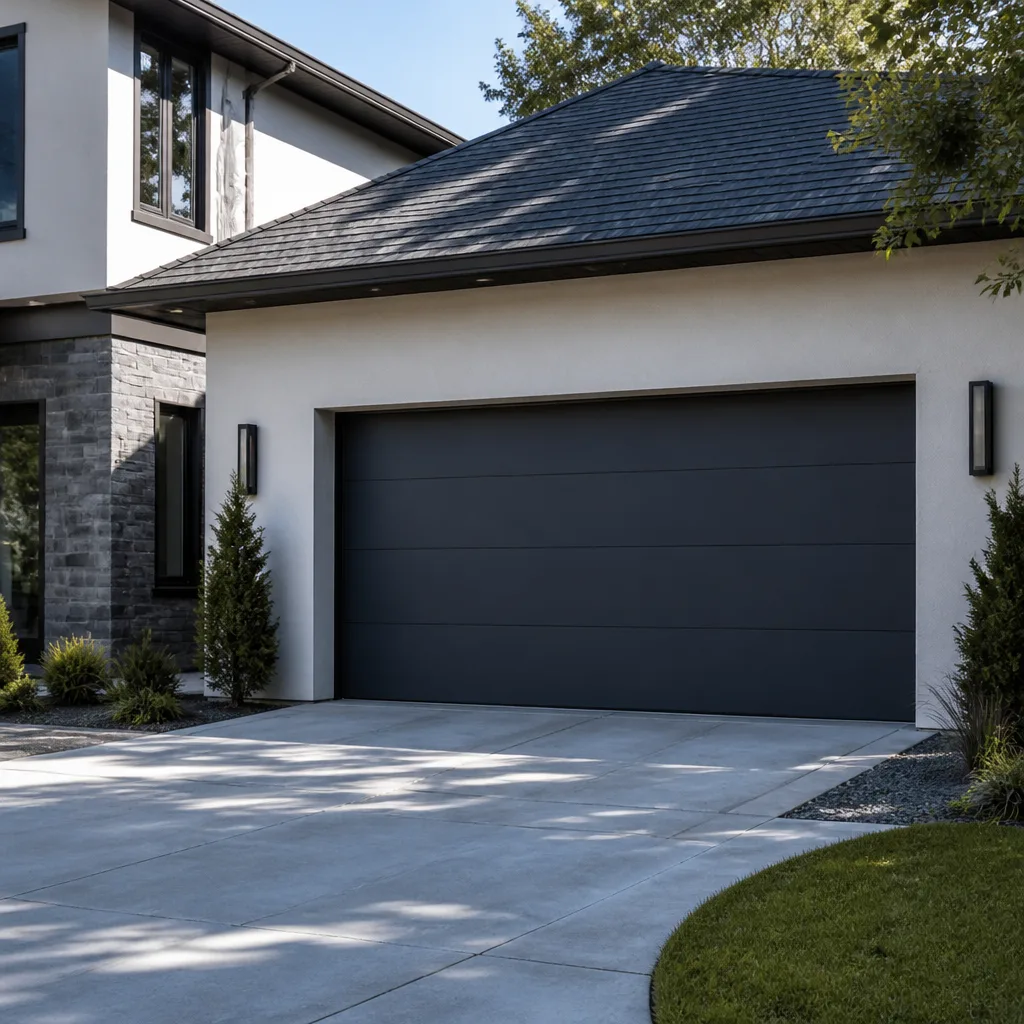 Modern flush
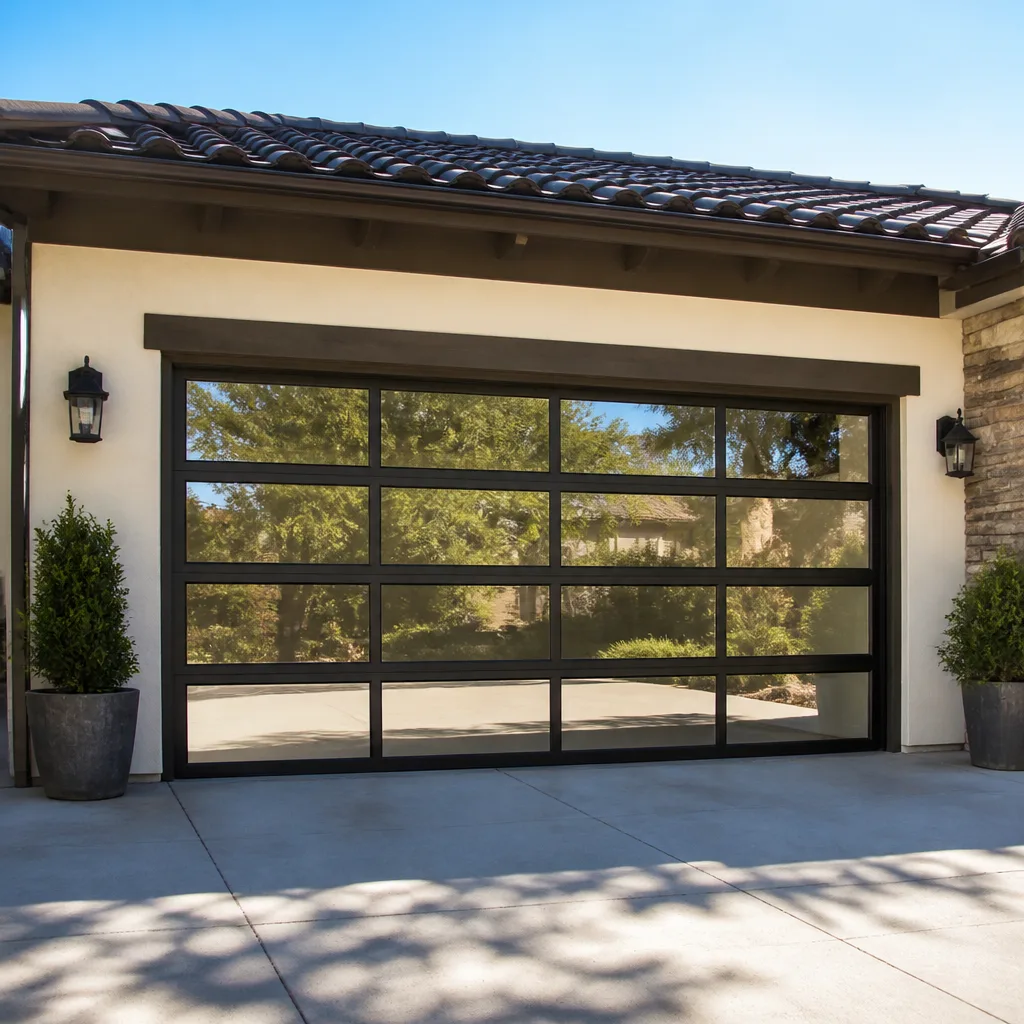 Full-view glass
 LiftMaster openers
 Chamberlain openers
Full 25-point door and opener safety check with every visit - springs, cables, rollers, tracks, and your LiftMaster or Chamberlain opener included
You get a price before we start. It does not change when the pro arrives.
Get your free estimateSeasonal Garage Door Care for Baytown: Year-Round Homeowner’s Guide
Most garage door maintenance advice you’ll find online assumes a punishing northern winter, so it spends pages on ice dams and frozen springs and tells you almost nothing that applies here. Baytown doesn’t run on a four-season calendar. Our year breaks differently: a pre-hurricane push in spring, a long stretch of brutal summer heat from June through September, a couple of genuinely cold snaps in January, and a recovery period after any named storm that brushes the coast. Each phase stresses a different part of the door. This guide walks you through all four, with the checks that actually matter for a door sitting on a west-facing driveway in Baytown, plus the off-season tasks that are easier to pull off in our lower-humidity months.
Quick Answer
Seasonal garage door care in Baytown follows a storm-and-heat calendar rather than a winter one: tighten wind-brace hardware and test the opener’s battery backup in April and May before hurricane season, manage opener heat and seal UV damage through the summer, prep the springs and seals for the brief January cold snaps, and run a specific post-storm inspection sequence after any named storm. Humidity, radiant driveway heat, and wind load do more damage here than cold does, so tune your maintenance to those three forces.
Styles & brands we work with
- Raised-panel steel
- Carriage house
- Modern flush
- Full-view glass
- LiftMaster openers
- Chamberlain openers
Table of Contents
- Why Baytown’s Maintenance Calendar Isn’t the Standard One
- Pre-Hurricane Season Prep: April and May
- Peak Summer Heat: What the Door and Opener Face
- Winter Cold Snap Protocol: What Changes in January
- Post-Storm Recovery: The Inspection Sequence
- What “Off-Season” Means for Baytown (October-March)
- Humidity, Tracks, and the Rust Question
- Common Mistakes to Avoid
- When to Call a Professional
- Frequently Asked Questions
Why Baytown’s Maintenance Calendar Isn’t the Standard One
The standard garage door guide was written for a place with a real winter. It worries about freeze-thaw, snow load, and ice locking a door to its threshold. None of that describes what happens in Baytown. Our winters are mild enough that a door rarely sees ice, and the forces that actually wear one out here come from the opposite direction: heat, humidity, and wind.
Start with heat. A west-facing concrete driveway absorbs sun all afternoon and radiates it upward into the door and the opener housing long after the sun has moved on. That radiant load does two things. It softens and distorts rubber bottom seals, and it pushes opener circuit boards closer to their thermal limits than a manufacturer’s testing envelope assumes. Add Gulf humidity and you get slow corrosion on the hardware that northern guides never mention. Add hurricane season and you get a door that, for a few months a year, functions as one of the largest pressure surfaces on the house.
That’s the case for a Baytown-specific calendar. Instead of four similar seasons, you have four phases with genuinely different mechanical priorities:
- April-May: storm prep, hardware torque, seal replacement, battery backup testing.
- June-September: heat management, opener ventilation, seal and cable inspection.
- January cold snaps: spring equilibrium and binding checks.
- October-March (off-peak): the two humidity-sensitive tasks, plus post-storm follow-up.
If you’ve been following a generic calendar and wondering why it keeps telling you to do things that make no sense for your driveway, this is the replacement.
Pre-Hurricane Season Prep: April and May
Hurricane season opens June 1, so April and May are the window to get the door and its hardware ready. The work here isn’t glamorous, but it’s the highest-value maintenance hour you’ll spend all year. Build it into a single afternoon routine:
- Torque the wind-brace and mounting hardware. Grab a socket set and check the bolts that connect the door’s vertical tracks to the jambs and the horizontal tracks to the ceiling. Loose mounting hardware is one of the ways a door gets racked out of alignment when wind pressure loads the panels. If a bolt spins without tightening, that’s a stripped anchor, not something to leave. A technician can re-anchor it; a homeowner working a hand socket may not get the bite needed.
- Inspect and, if needed, replace the bottom seal. The bottom seal is the weatherstripping that runs along the bottom edge of the door. UV exposure and repeated contact with a hot driveway break it down; when it’s cracked or hard, wind drives water and debris under the door. If the edge is stiff or splits when you flex it, replacement is due before storm season, not after. This is one of the small jobs we handle alongside a garage door repair visit when the bottom edge is part of the trouble.
- Test the opener’s battery backup. Most modern openers sold for the residential market have a battery backup designed to keep the door operable when the grid goes down. Unplug the opener and try the wall button. If the door doesn’t move, or moves and then stops, the battery is either dead or disconnected. Replace or reconnect it before the first storm, not during one. LiftMaster and Chamberlain units are the most common in this area, and their backup systems are straightforward to test.
- Check the door balance with the opener disconnected. Pull the release cord to disconnect the carriage, then lift the door to about halfway. It should stay put. If it falls or runs up on its own, the spring tension is out of balance and a garage door spring repair visit is worth scheduling before the storm window closes.
None of this takes long, and none of it requires a technician unless the checks turn something up. The point of doing it in April and May is that the window between “noticed” and “needed” is short once a system is in the Gulf.
Peak Summer Heat: What the Door and Opener Face
June through September is when the door and opener take the hardest beating of the year. It isn’t the air temperature alone; it’s the combination of afternoon sun and a west-facing driveway radiating heat into the door assembly for hours after the sun has moved off it. Here’s what that does and what to check.
The opener’s thermal load
Opener motors and control boards have a thermal envelope. When the housing sits inside a hot garage with a radiator of a driveway on the other side of the door, that envelope is being pushed. The symptoms show up as:
- The opener reversing or stopping partway through a cycle, especially mid-afternoon.
- The remote working intermittently while the wall button works fine.
- The lights flickering or the unit going dark briefly.
Give the opener breathing room. Don’t store boxes or seasonal gear against the housing. Make sure the vents on the side and top aren’t blocked. If the unit still misbehaves in peak heat, a technician can test the board and motor windings. A failing capacitor or a tired control board is a common enough cause, and Genie and Craftsman units in particular will show heat intermittence before they fail outright.
Thermal expansion and spring tension
Torsion springs store energy in coiled steel. That steel expands when it heats and contracts when it cools, and the balance point of the door shifts a little with it. A door that’s perfectly balanced on a 70-degree morning may run slightly heavy or light by mid-afternoon. That’s normal. What isn’t normal is a door that lifts unevenly, jerks, or needs a hand to get past halfway. When that happens, the tension needs adjusting by a technician. Never adjust spring tension yourself; a torsion spring under load can release with enough force to cause serious injury, and nothing on a garage door is worth that risk. Our techs have up to 14 years of experience handling these adjustments, and for the dangerous repairs, we’d rather you call us than try it.
UV degradation on seals
Rubber and vinyl seals degrade under UV faster than anything else on the door. Check the bottom seal and the perimeter seals for cracking, hardening, or a chalky surface. A seal that flexes easily in March may be brittle by August. Replacement is inexpensive relative to the damage a failed seal allows in.
All three checks belong on a mid-summer walk-around. Fifteen minutes with a flashlight and a flexible hand will tell you whether anything needs attention before fall.
Winter Cold Snap Protocol: What Changes in January
Baytown winters are mild, but they aren’t zero. A January cold snap can drop temperatures enough to contract the steel and tighten the spring’s stored energy. That’s the mechanical reversal of summer: a door that’s perfectly balanced in July can bind, run heavy, or fail to latch in January. It’s a different problem than the summer heat, and the response is different.
Here’s what to check during a cold snap:
- Test the balance with the opener disconnected. Pull the release, lift the door to halfway, and watch it. If it stays, good. If it falls, or runs up on its own, the spring tension is out of adjustment for the colder temperature.
- Listen for scraping or binding. Cold contracts the steel tracks slightly, and a track that was perfectly aligned in summer can develop a tight spot. Run the door a few times slowly and listen. A grind or a squeal at one spot means the track needs a slight adjustment, or a roller needs attention.
- Check the bottom seal and threshold. A seal that seals against a warm driveway slab in summer may not seal against a contracted, colder slab in January. If you see daylight or feel a draft, the seal is compressed or the door needs adjustment.
- Watch the opener’s behavior. Cold-soaked grease in the opener’s gearbox makes it work harder on the first cycle. Let it warm for a minute before running the door, and if the opener still struggles, have it checked.
The key insight: a Baytown door that’s balanced for July isn’t automatically balanced for January. But that doesn’t mean it’s out of service. It means the door needs a small seasonal adjustment, and in most cases that’s a job for a technician who understands how the spring’s stored energy changes with temperature. Adjusting it yourself is one of the few garage door tasks that belongs firmly in the “call someone” bucket.
Post-Storm Recovery: The Inspection Sequence
After a named storm passes, do not just press the button and see if the door opens. Run this sequence first. It protects you and the door, and it determines whether you have a same-day problem or a scheduled repair.
- Visual scan from outside. Look at the panels. Dented or creased panels affect the door’s balance and can trap water. Note any severe dents; a panel that’s been pushed in at the center will drag against the track and make the door run heavy.
- Check the tracks. Look for deflection or bend at the vertical and horizontal tracks. Storm wind loads can rack them. If a track is bent, don’t run the door; the rollers will fight the bend and can pop the door off the track.
- Check the cables and drums. Cables should be taut, not frayed, not sitting on the floor. If a cable is slack or a drum looks tilted, the door’s spring system may have lost tension during the storm. Stop there and call. A slack cable can snap when the door cycles, and a technician needs to be the one to restore tension.
- Check the bottom seal. After a storm, the seal is often the first thing to go. Look for debris trapped in it, tears, or a seal that’s lost contact with the threshold.
- Run the opener once, watching carefully. If the door moves unevenly, stops partway, or the opener strains, disconnect and diagnose further. A storm can stress an opener motor or knock its travel limits out of alignment.
- Check the anchors on the door jambs. Wind pressure loads the mounting hardware. If an anchor is pulled out or the track has shifted, the hardware needs to be re-set.
If any step turns up a problem, that’s the moment to call. Post-storm damage often sets up a second failure if the door is operated on a compromised track or a slack cable. Emergency service exists for exactly this: storm damage that leaves the door unusable, or a door stuck open at a moment when the home needs to be closed. We answer 24/7, and fast dispatch runs from 7am to 7pm.
What “Off-Season” Means for Baytown (October-March)
October through March is the closest Baytown gets to an off-season. It’s the stretch when you’re not fighting summer heat and you’re not prepping for a storm. It’s also when the outdoor humidity drops enough that two specific tasks become genuinely easier and more effective.
Task one: seal replacement. Replacing the bottom seal and perimeter seals goes much better in lower-humidity months because the adhesive or mechanical seal sets and holds more reliably. In summer, humidity can interfere with adhesion and with the flex of the new seal. If your seal is showing wear and it’s not storm season, do this job in the off-season rather than waiting for summer.
Task two: track cleaning and lubrication. Lubricating the rollers, hinges, and spring coils works better when the metal isn’t sweltering. In July, a lubricant applied to a hot track can cook off or attract grit. In the cooler months, it stays where you put it and gives the moving parts a protective coat that lasts into the summer. This also gives the humidity a chance to be dealt with: if the tracks are showing surface rust from the wet season, a clean and light lubricant slows further corrosion. Our technicians use manufacturer-approved lubricants on the brands we service.
The off-season is also when you’ll want to plan any larger work. If the door is nearing the end of its service life or you’re considering a replacement, a winter planning session gives you time to measure, select, and schedule. That’s not the season for an urgent call; it’s the season for a thoughtful one.
Humidity, Tracks, and the Rust Question
Gulf humidity is the slow, quiet stressor. It doesn’t announce itself like a hurricane and it doesn’t spike like a heat wave. It just works on the steel and hardware of the door assembly every day. The places it shows up first:
- Rollers and hinges. Surface rust on the roller stems and hinge pins will show up before anything else. A light coat of lubricant on the moving parts slows it.
- Track hardware. Bolts, nuts, and anchor plates. If the finish has failed, the metal begins to pit. A wipe-down and a light protective spray helps.
- Spring coils. Torsion springs are typically oil-tempered steel. In high humidity, they can develop a surface film of rust which attracts grit and works into the coils. A light lubricant on the coils (not the wire, the coils themselves) is a reasonable off-season task.
The rust story is real, but it’s manageable. The key is routine inspection rather than a one-time fix. Walk the door monthly, look at the hardware, and deal with surface rust before it becomes structural. If you see deep pitting, or a spring that’s clearly corroded, that’s a replacement conversation, not a lubrication one.
Common Mistakes to Avoid
- Following a northern maintenance calendar. Ice, snow load, and freeze-thaw aren’t your problem. If you’re calling a technician every winter because a generic guide told you to, and ignoring the spring storm prep that actually matters, you’re spending time on the wrong things.
- Adjusting the spring tension yourself. This is the mistake that causes serious injuries. A torsion spring is under enormous stored energy. If the door feels heavy or binds, call a technician; do not try to “fix” the spring with your own tools.
- Ignoring a stiff bottom seal. A hard or brittle bottom seal is easy to overlook in the summer when it still seals. But a failed seal lets water and debris in, and it makes the door work harder. Replacement is inexpensive most of the time; putting it off costs more.
- Blocking the opener’s vents. In Baytown’s summer heat, an opener that can’t shed heat is an opener that fails early. Don’t stack boxes against the housing. Give it airflow.
- Skipping the battery backup test. The battery backup is only useful if it actually works. Test it once in the spring and once again in the fall; an untested backup is just a battery-shaped object.
- Riding out a storm without the door closed and locked. A garage door that isn’t fully closed is a pressure surface unfurling into a sail. Close and latch it before the weather builds.
- Ignoring post-storm damage because the door “still opens.” A door that opens on a bent track will do more damage to itself than one that doesn’t. Inspect first, then operate.
When to Call a Professional
Some seasonal chores you can handle yourself. Seal condition, lubricant, hardware torque checks, battery backup testing, and the balance check with the opener disconnected are all reasonable homeowner tasks. The work that belongs to a professional is the work that involves stored spring energy, unresolved binding, or storm damage. Call a technician if the door fails the balance test, if a track or cable is clearly compromised, if the opener misbehaves intermittently, or if a storm has left you unsure whether the door is safe to operate.
Baytown Garage Door Repair Pros offers free estimates in Baytown. Call (877) 492-3142 for a free estimate. We answer 24/7. Fast dispatch from 7am to 7pm.
We handle springs, openers, panels, and the whole system. If you’ve got a LiftMaster, Chamberlain, Genie, Clopay, Amarr, Wayne Dalton, Craftsman, or Raynor unit, our technicians are trained on it. And if you’re looking for a general overview of the whole service, start with our Baytown Garage Door Repair Pros page.
Frequently Asked Questions
A garage door in Baytown needs a storm-prep phase in April and May (hardware torque, seal check, battery backup test), a heat-management phase in June through September (opener ventilation, spring equilibrium check, seal UV inspection), a cold-snap phase in January (balance check, binding check), and a post-storm inspection after any named storm. The off-season from October through March is best for seal replacement and lubricant upkeep. Call (877) 492-3142 for a free estimate on anything the checks turn up.
A door that’s balanced in warm weather can bind when cold contracts the steel and tightens the spring’s stored energy. The balance point shifts with temperature, so a July-perfect door may run heavy in January. The fix is a technician’s spring adjustment, not a homeowner DIY job. Call (877) 492-3142 for an estimate on a proper adjustment.
The bottom seal should be replaced when it shows cracking, hardening, or loss of contact with the threshold, which in Baytown’s UV exposure typically means every few years rather than every year. Inspect it each summer and replace as needed in the lower-humidity months. Call (877) 492-3142 for a free estimate on seal replacement.
Unplug the opener and press the wall button. If the door doesn’t operate, the backup battery is dead or disconnected. Test in spring and fall of each year. If you’d rather have a technician check it, call (877) 492-3142 for a free estimate.
Inspect tracks, cables, drums, panels, and bottom seal before operating the door. If a track is bent or a cable is slack, don’t cycle the door; call a technician. Our emergency response is available for post-storm damage. Call (877) 492-3142 for a free estimate.
Our technicians have up to 14 years of experience and are trained on LiftMaster, Chamberlain, Genie, Clopay, Amarr, Wayne Dalton, Craftsman, and Raynor equipment. If your door is one of those brands, they’ll arrive already familiar with it. Call (877) 492-3142 for a free estimate.
The Bottom Line
Baytown’s garage door care calendar is not the one you’ll find in most guides. It’s built around heat, humidity, and storms, not snow and ice. The core work: prep the door and hardware in April and May, manage opener heat and seal UV through summer, check balance and binding through the January cold snaps, and run the post-storm inspection sequence before you touch the button. The off-season is when seal replacement and lubrication are most effective. Handle the safe checks yourself; call a professional for springs, binding, and storm damage. Our technicians have up to 14 years of experience with the major brands, and a fault diagnosed once is a fault fixed. Call (877) 492-3142 for a free estimate. We answer 24/7. Fast dispatch from 7am to 7pm, Sunday through Friday. If a door problem needs a specialist, a garage door opener repair or spring service is on our list of core work.
Written by the team at Baytown Garage Door Repair Pros.
See the difference
 Before
 After
 Before
 After
 Before
 After