
Last updated November 21, 2026
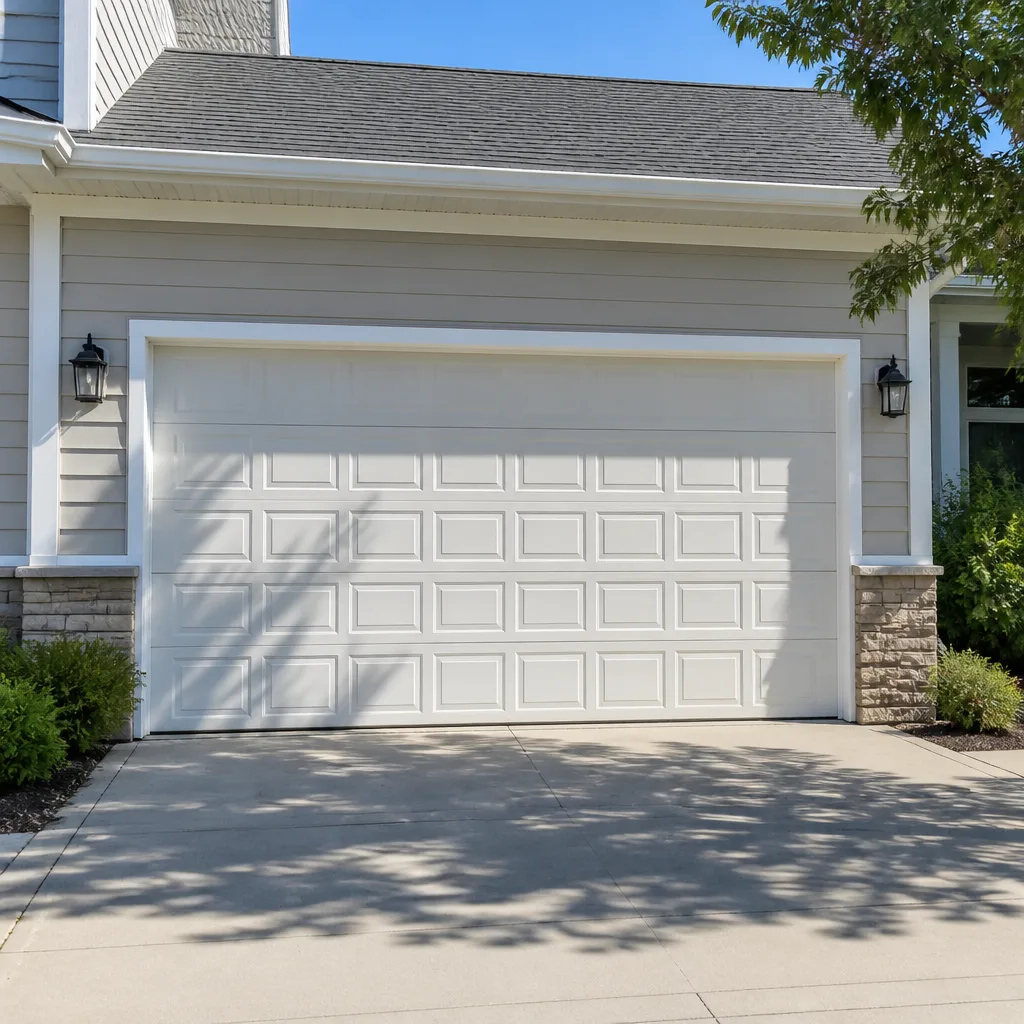 Raised-panel steel
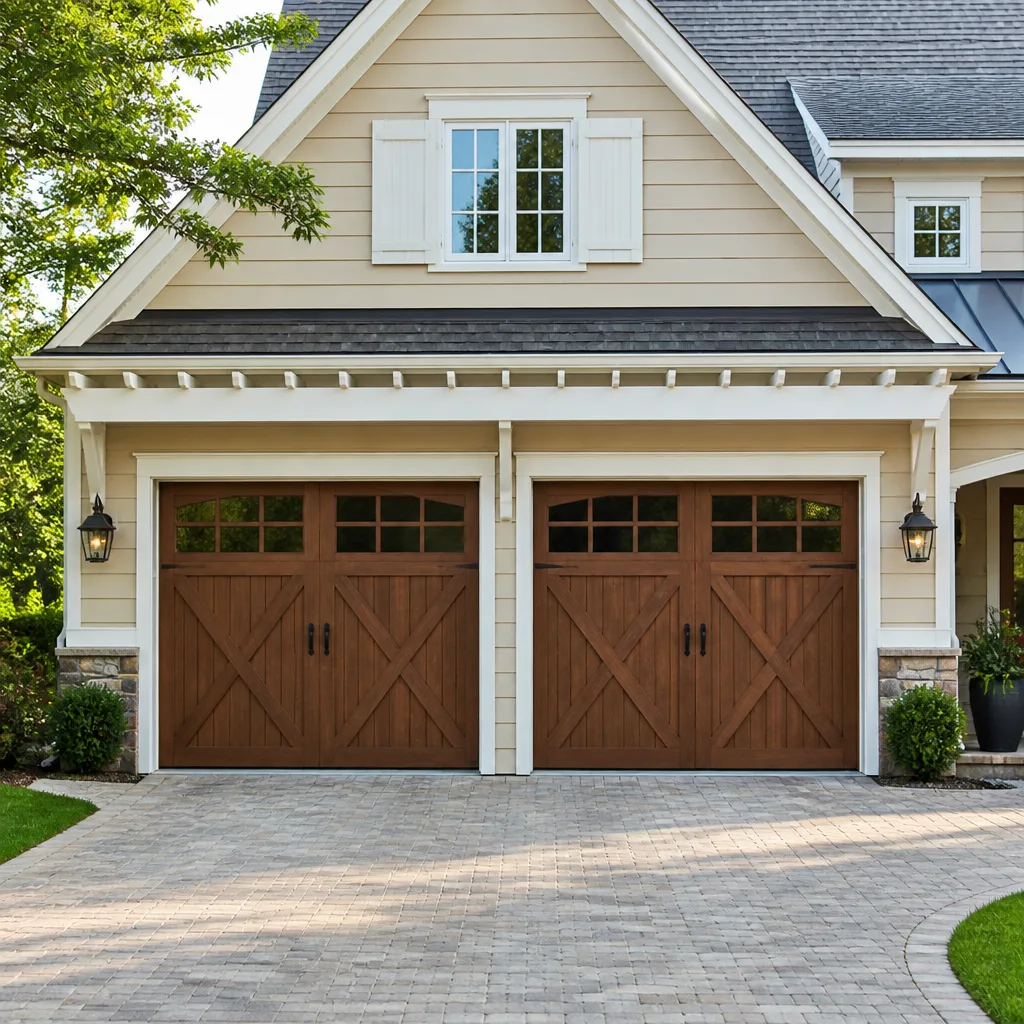 Carriage house
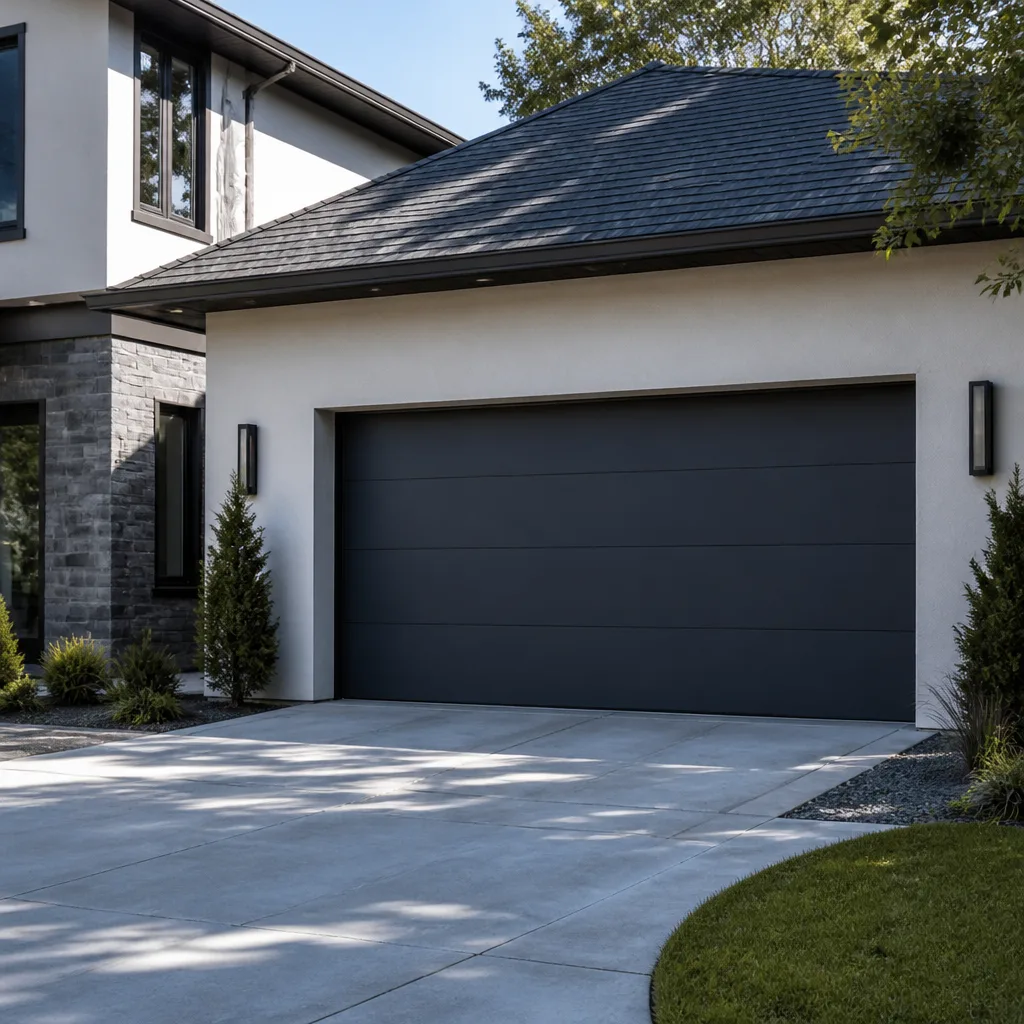 Modern flush
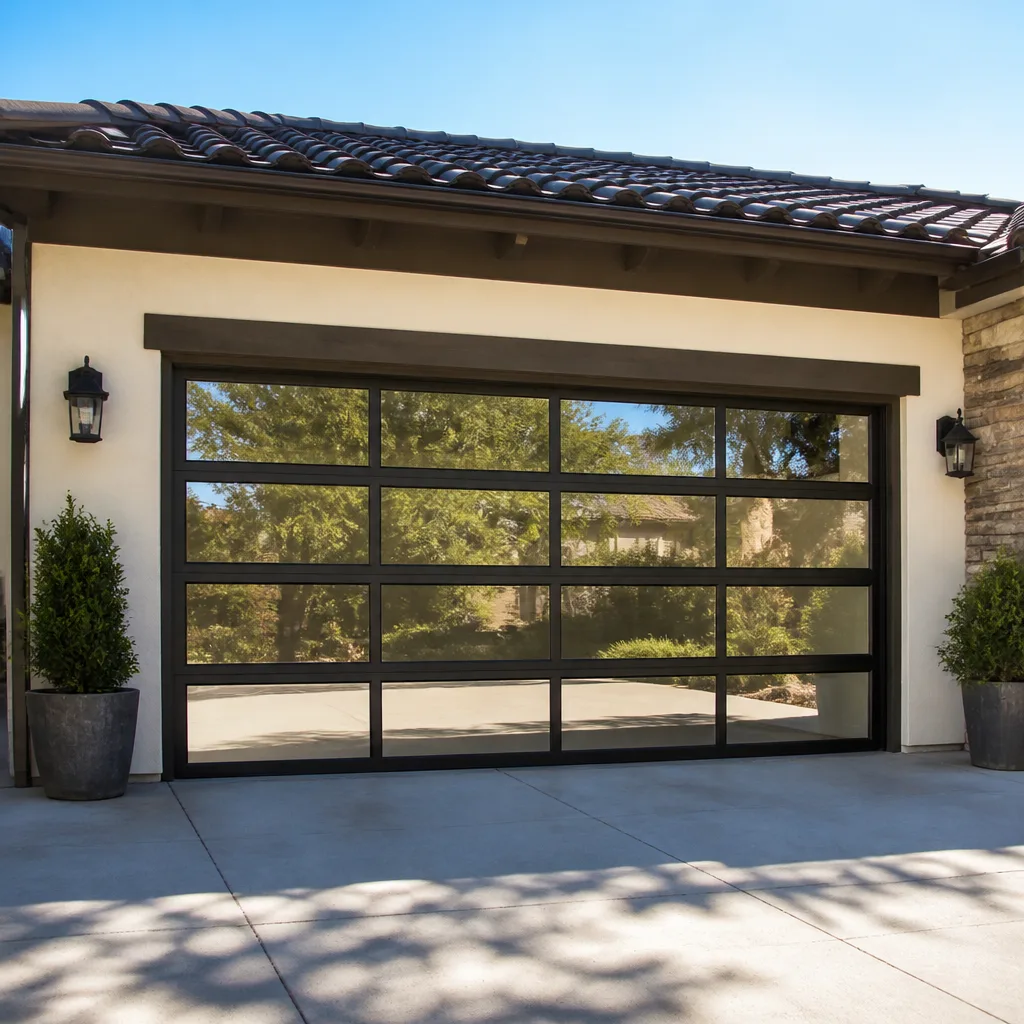 Full-view glass
 LiftMaster openers
 Chamberlain openers
Full 25-point door and opener safety check with every visit - springs, cables, rollers, tracks, and your LiftMaster or Chamberlain opener included
You get a price before we start. It does not change when the pro arrives.
Get your free estimateHow to Hire a Garage Door Contractor in Baytown: A Step-by-Step Guide
Any handyman with a wrench can swap a panel. But a torsion spring under proper tension stores enough energy to send a winding bar through drywall, and a generalist who guesses at spring sizing is guessing with your door, your opener, and your safety. That’s the part most hiring advice skips. This guide covers how to tell a true garage door specialist from a generalist listing doors as a side service, what to ask before you sign, and how to compare quotes in Baytown so you’re comparing the same job, not two different sales pitches. By the end you’ll know exactly which questions expose real technical depth.
Quick Answer
To hire a garage door contractor in Baytown, verify the contractor specializes in garage doors rather than general repairs, ask for proof of insurance, and request a written estimate that itemizes parts, labor, and brand-specific components for your exact door. Ask what spring size your door requires and whether the contractor carries common springs, cables, and rollers for your brand. A specialist measures the door and wire; a generalist guesses. That single answer tells you most of what you need to know.
Styles & brands we work with
- Raised-panel steel
- Carriage house
- Modern flush
- Full-view glass
- LiftMaster openers
- Chamberlain openers
Table of Contents
- Why a Garage Door Specialist Beats a General Handyman in Baytown
- What Licenses and Insurance Should You Verify in Texas?
- What Questions Reveal Real Technical Depth?
- How Should You Compare Quotes Across Bids?
- How Do You Check Whether a Contractor Stocks Common Parts?
- Why Spring Repair Is the Real Test of a Specialist
- Repair or Replace: What a Specialist Checks First
- What Are the Red Flags Specific to the Garage Door Trade?
Why a Garage Door Specialist Beats a General Handyman in Baytown
A garage door is a balanced mechanical system, not a wall that opens. Panels, hinges, rollers, tracks, cables, springs, and the opener motor all work together, and a change to one changes the load on the rest. A handyman who’s good at hanging cabinets may have never measured track plumb on a residential door or seen how a bent roller adds drag that wears a motor out months later. When a generalist “fixes” a symptom without understanding the system, the same door is back in your driveway in a season.
We’ve watched this play out across Baytown again and again. A homeowner replaces one of a matched pair of springs because it’s cheaper, and the second spring fails days later because both were worn to the same point. A non-specialist adjusts a door down hard to stop a rattle, and the opener’s force settings burn out trying to shove it. A generalist orders the wrong spring gauge, comes back three days later with the right one, and charges for two visits.
Here’s what a true specialist brings to a Baytown door:
- Brand knowledge before arrival. We’re trained on LiftMaster, Chamberlain, Genie, Clopay, Amarr, Wayne Dalton, Craftsman, and Raynor. A Genie opener’s torque and a LiftMaster belt drive’s travel limits behave differently, and the diagnostic path differs with them.
- System coverage, no hand-offs. Springs, openers, panels, tracks, and cables fall within one scope. You don’t get stuck between a door company blaming the opener and an opener company blaming the door.
- Parts readiness. We carry parts for the brands we service, which is the difference between “in service today” and “we’ll order it and call you next week.”
- Proper equipment for the dangerous work. Torsion springs need the right winding bars, a measured tension process, and an understanding of the door’s weight. Spring repair is a core specialty, not an add-on.
If you’re already in a bind and need someone today, see our Baytown Garage Door Repair Pros overview for how a specialist call works from start to finish.
What Licenses and Insurance Should You Verify in Texas?
Texas does not license general contractors as a statewide trade, and that matters for how you vet a garage door contractor. What you can and should verify is that the business carries liability insurance and workers’ compensation for anyone on your property, and that it can produce a certificate of insurance on request before work starts. Ask specifically for coverage that applies to garage door installation and repair, not a generic handyman policy.
Garage door work touches electrical connections at the opener and high-stored-energy springs. A general contractor license, where one exists locally, doesn’t address either. So the questions shift to what’s actually being regulated:
- Request a certificate of insurance. Ask for the certificate to be emailed to you before the appointment, and confirm the business name on it matches the company you’re hiring.
- Ask who handles electrical work. Opener circuits plug into an existing outlet; replacing or rewiring that circuit is electrical work. In Texas, electrical contracting is licensed, so ask if the company sub-contracts a licensed electrician for any circuit modifications. A garage door specialist who tells you honestly where their scope ends is a specialist you can trust.
- Ask about warranty, separately for labor and parts. A labor warranty should be named in writing. Predatory or fly-by-night operators avoid naming it because they don’t plan to come back.
- Ask for proof of training on your specific brand. No license covers “knows how a Clopay door balances.” The proof is brand-specific: ask what models they work with and what happens if they open your door and find a model they don’t recognize.
- Confirm the price is quoted and agreed before work begins. A written estimate that both of you sign off on before anyone touches a spring is the single best protection against an invoice surprise. The written estimate sets the final price.
Permits for structural changes to a garage (widening an opening, altering headers) come through the City of Baytown’s building department. Most straight replacements don’t require one, but it’s always worth a call to the city before structural work begins. Ask your contractor whether the job as scoped requires a permit and who pulls it.
What Questions Reveal Real Technical Depth?
The best filter is a sizing question. Ask any candidate: “What spring size does my door require, and how will you determine it?” A specialist measures the door’s height and width, weighs it or calculates weight from the panel construction, checks the existing spring’s wire diameter and inside diameter, and matches the cycle life to the door. A generalist guesses, or says “the standard one.” Watch how they answer. If the answer is a specific measurement process, you’re talking to a specialist.
A few more that separate the two, and what a strong answer sounds like:
- “How do you balance a door after installing new springs?” A specialist will describe lifting the door by hand to its midpoint, releasing it, and seeing whether it stays put. A door that drifts up or down isn’t balanced and the spring tension is wrong.
- “What’s the difference between torsion and extension springs, and which does my door use?” Torsion springs sit on a shaft above the door; extension springs run along the sides. A specialist knows which your door has from a photo before arriving.
- “How do you check whether my opener’s force settings are safe?” The opener has limits on how hard it pushes. A specialist verifies the door reverses on contact and that the force margin isn’t set so high it masks a binding door.
- “What’s the cycle life on the spring you’re quoting?” Springs are rated in cycles (one open plus one close). A cheap spring with a short cycle life fails sooner; a good quote names the rating.
- “What brand-specific parts would you use on my system?” If your door is an Amarr or Wayne Dalton and the contractor can’t say how those panels and hardware differ, they’re a generalist.
These aren’t trick questions. They’re the questions a real specialist answers without pausing, because it’s the work they do every day.
How Should You Compare Quotes Across Bids?
Comparing a $250 verbal quote to a $700 written quote tells you nothing unless both quotes cover the same items. Before you collect bids, write down what your door needs, then require every contractor to itemize the same categories. A detailed garage door estimate should separate:
- Parts, by name and specification. “Two torsion springs, 0.250″ wire, 2″ inside diameter, 20,000-cycle rated” is a quote. “Springs” is a placeholder.
- Labor, listed separately. Labor covers removal, installation, tensioning, balancing, and testing. If it’s bundled invisibly into the part price, you can’t compare.
- Any additional hardware. Rollers, hinges, cables, drums, and bearings should be named if they’re being replaced, and left off if they aren’t.
- Warranty, split between parts and labor. A parts warranty from the manufacturer is different from a labor warranty from the contractor. List both, with duration.
- Opener work if applicable, quoted separately. A door repair and an opener repair are different jobs. Mixing them on one line hides whether you’re paying twice.
- Disposal and cleanup. Old panels and springs don’t leave themselves. Ask whether removal is included.
Once you have two itemized quotes side by side, the comparison becomes honest. If one quote names a 10,000-cycle spring and the other names a 25,000-cycle spring, the second quote should cost more and you should know why. If one quote has an “adjustment” line with no description, ask what’s being adjusted and why. If one quote has a line that only appears after work begins, it isn’t a quote, it’s a menu of upcharges.
And the price you agree to before work starts is the price you pay when the job is done. If a technician opens the door and finds something the estimate couldn’t have anticipated, a specialist stops, tells you what they found, and quotes the additional work before doing it. That’s the standard to hold any contractor to. Our garage door repair page walks through what a free written estimate covers in a typical Baytown appointment.
How Do You Check Whether a Contractor Stocks Common Parts?
Ask directly: “Do you carry torsion springs on your vehicle, and what sizes?” A contractor who stocks common springs arrives with several gauges and inside diameters, so a typical spring replacement is finished in one visit. A contractor who diagnoses first and orders after will have you waiting days with a dead door. In Baytown’s heat and storm season, a door stuck open is a security question, not a convenience, so days of downtime are real.
Common parts that should be available from a prepared specialist:
- Torsion springs in standard wire sizes and lengths. Most residential doors use one of a handful of common combinations. A stocked rig covers them.
- Extension springs for older doors that still run the side-mounted style.
- Cables in standard gauges. Snapped cables are one of the most common emergency calls, and a cable the wrong gauge can’t be substituted.
- Rollers and hinges. Nylon rollers are a common upgrade when original steel rollers wear flat.
- Openers in the main brands. If the opener’s motor has failed, a stocked LiftMaster or Genie replacement means the door is working again the same day.
Here’s the fair question: nobody stocks everything, and nobody can. The right test is whether the contractor’s stock covers the common jobs. Call and ask what they keep on hand for your brand. If they can name specific sizes and brands without hesitation, they’re prepared. If they say “we order everything,” you’re going to wait days. For more on how a stocked specialist handles a stuck door, see our garage door opener repair guide.
Why Spring Repair Is the Real Test of a Specialist
Springs are the single repair that separates specialists from everyone else, because torsion springs under tension are dangerous and require specific knowledge and equipment. An improperly tensioned torsion spring can release its stored energy into a winding bar, and a generalist who’s watched a video doesn’t have the training or the tools to manage that safely. If a contractor offers a cheap spring replacement and won’t discuss size, cycle life, or matched pairs, that’s the moment to walk away.
What a specialist tells you about a spring repair in Baytown:
- Torsion vs. extension. They know which style your door uses and won’t confuse them.
- Matched pairs. When one torsion spring of a pair breaks, both are replaced together because both wore to the same point. Replacing one leaves the other ready to fail. A matched pair typically costs about twice the price of a single spring.
- Measured balance. Once the new springs are on, the door must balance at midpoint. If it doesn’t, the door will fail early and strain the opener.
- Cycle life named in writing. The spring’s rated life should be on the invoice.
For a full walkthrough of spring pricing and what a repair covers, our garage door spring repair page breaks it down. The key point in a hiring context is this: a contractor who can’t explain spring sizing in plain language is a contractor who will guess. Our technicians have up to 14 years of experience on exactly these jobs.
Repair or Replace: What a Specialist Checks First
The default answer from a sales-driven door company is “replace it.” The default answer from a specialist should be “let me look at the whole system.” Panels can often be replaced individually on a Clopay or Amarr door without buying the whole door. Openers can be repaired with a logic board or a gear kit rather than replaced. Tracks can be straightened if the dent is minor. Rollers, hinges, and bearings are routine wear items. The specialist’s job is to tell you which of these apply and which don’t.
A quick guide to how specialists think about repair vs. replace:
- Panel damage from a bent door: often repairable with a single panel replacement on brands that sell individual sections. Replacement of the whole door is overkill unless the door is severely out of square.
- Opener failing to lift: often a force limit, a stripped gear, or a capacitor. Replacing the whole opener before checking those costs you money you didn’t need to spend.
- Squealing and jerky motion: usually rollers, bearings, or a door that has drifted out of balance. Service is cheap; ignoring it wears the opener.
- Door off-track after a vehicle hit: assess track, hinges, and panel alignment together. A single track bend can cascade into two more failures if only the track is straightened.
On the installation side, the question shifts. A new installation is measured, ordered, and scheduled, not same-day. Expect a free measure and a written quote before anything is ordered. The specialist should walk you through panel style, insulation, opener compatibility, and safety features, and quote the whole job as one document. Nothing should be ordered from a verbal price.
What Are the Red Flags Specific to the Garage Door Trade?
General contractor red flags apply to any trade: no written quote, no insurance, pressure to sign today, a price that only appears after the work. Garage door work has its own set, and Baytown homeowners should know them by sight.
- Vague spring pricing. “Springs start at $99” with no size, gauge, or cycle rating is a number with nothing behind it. Spring cost depends on the spring, and a specialist names the specification.
- No brand-specific knowledge. If your door is a Wayne Dalton and the contractor can’t tell you how that door’s torquemaster differs from a standard torsion setup, they’re not trained on your system.
- No separate labor warranty. “Lifetime warranty!” usually means the manufacturer’s parts warranty, not the technician’s labor. Ask specifically what happens if the repair fails in three months. The answer should be a specific labor warranty period.
- “We’ll diagnose first and order parts after.” A specialist diagnoses and fixes in the same visit for the common jobs. Diagnosis-then-order means days of downtime and often two invoices.
- Ballpark quotes with no written document. If they won’t put the price on paper before lifting a wrench, they’re reserving the option to change it later.
- Any promise that a full new door installation happens same-day. Doors are measured, ordered, and scheduled. A same-day promise on an installation means something is being cut short.
Common Mistakes to Avoid
- Hiring on price alone without asking what’s included. A $200 quote with no parts list and a $650 quote with a matched pair of 20,000-cycle springs aren’t the same job. Compare line items, not totals.
- Replacing only one spring of a matched pair. Both springs wore together and the second will fail soon. Replacing a single spring almost always costs more over the following season than replacing the pair once.
- Assuming a general handyman listing “garage doors” is a specialist. A generalist is fine for a squeaky roller. Springs and openers are a different level of risk and skill.
- Accepting a same-day promise on installation. In Baytown, installing a new door is a scheduled job with a measure first. Same-day installation claims usually mean the wrong panel is going on the house.
- Ignoring a door that reverses at half-height or opens unevenly. That’s a broken spring symptom. Running the opener on a door with a snapped spring burns out the motor, so shut it off until a specialist sees it.
- Not confirming insurance and warranty in writing. A verbal “we’re insured” is worth nothing when the door comes off the track. Ask for the certificate and the labor warranty in writing before work starts.
- Not checking that the price is set before work begins. The estimate should be agreed, in writing, before anyone touches a spring. Any contractor who resists this is telling you something.
See the difference
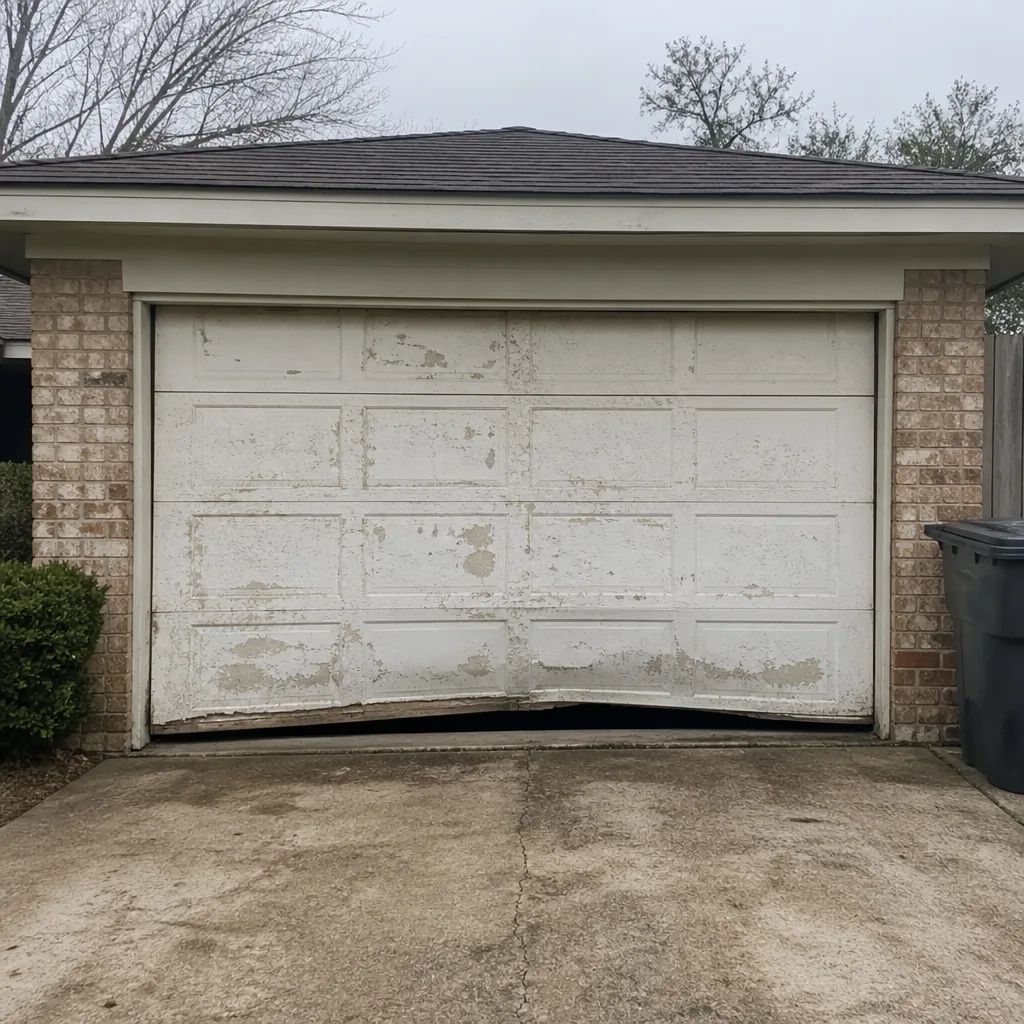 Before
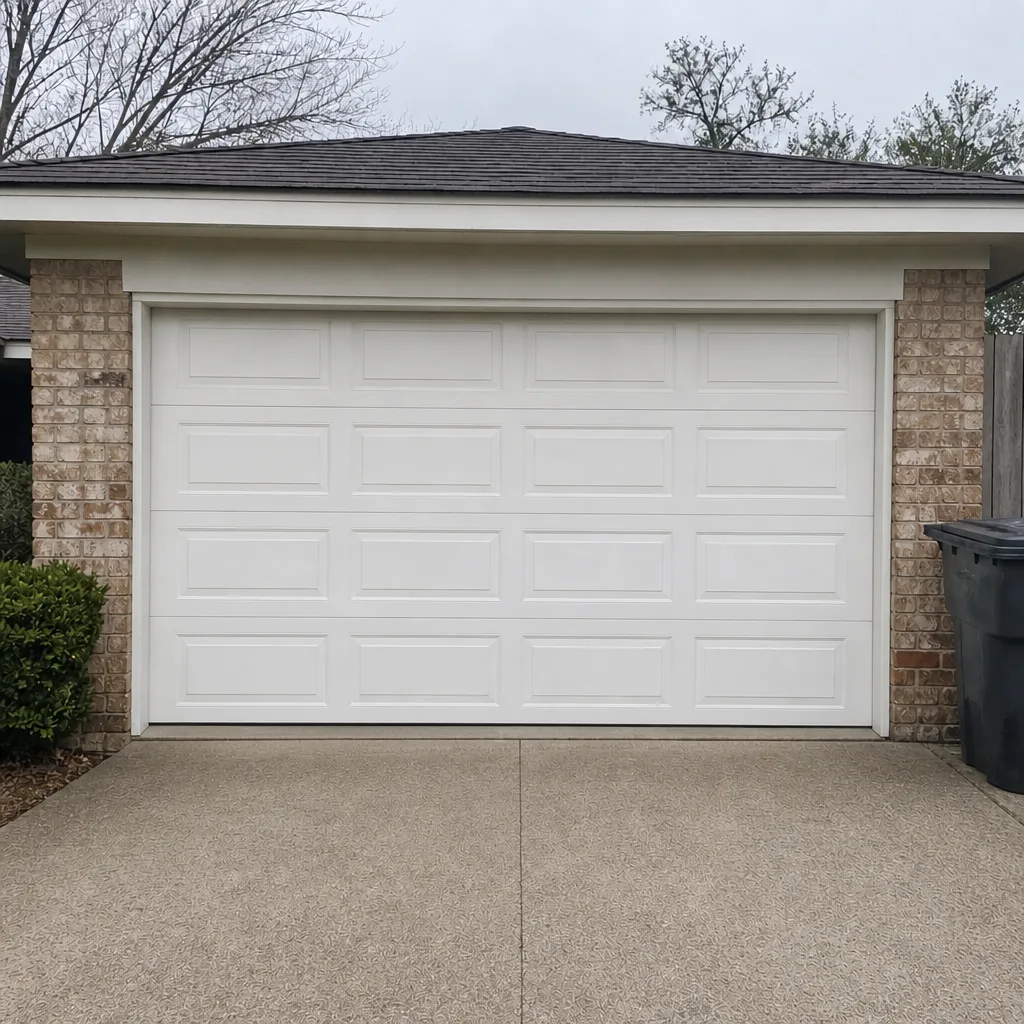 After
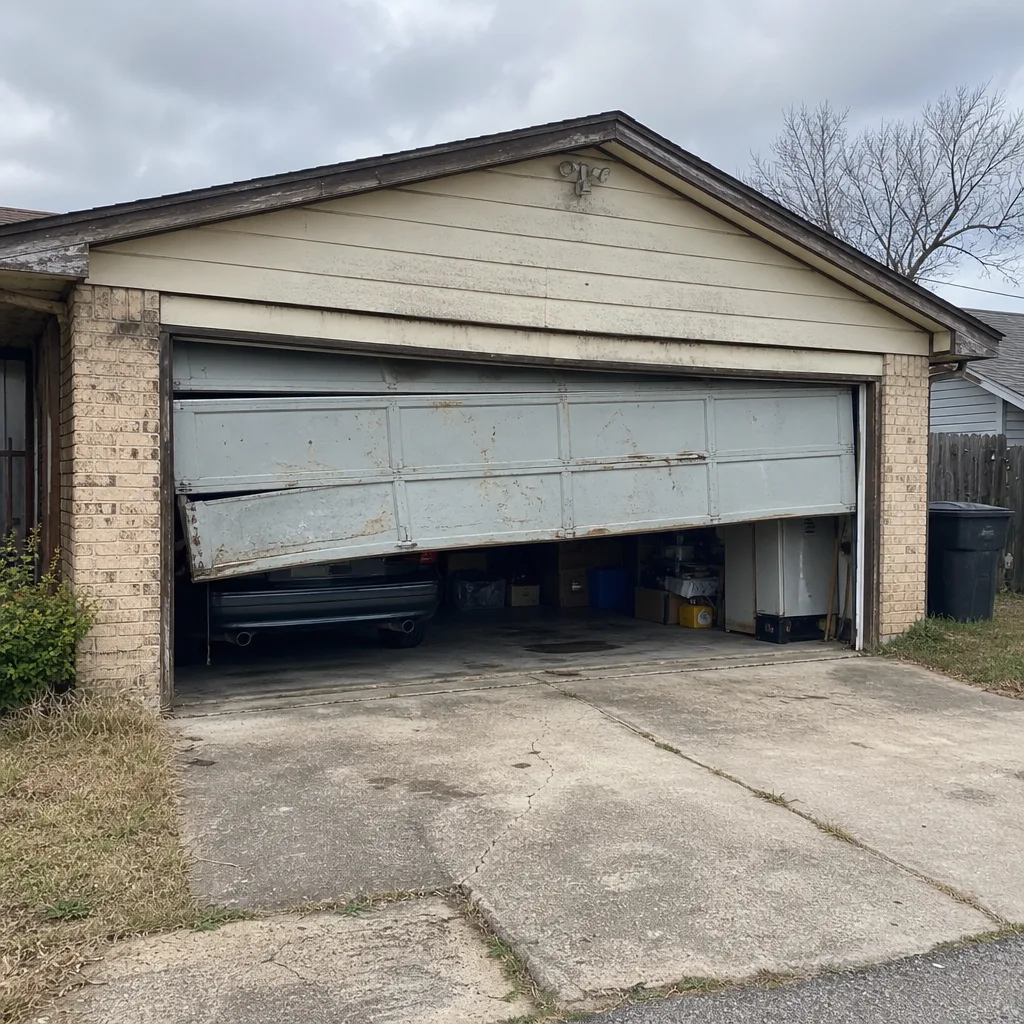 Before
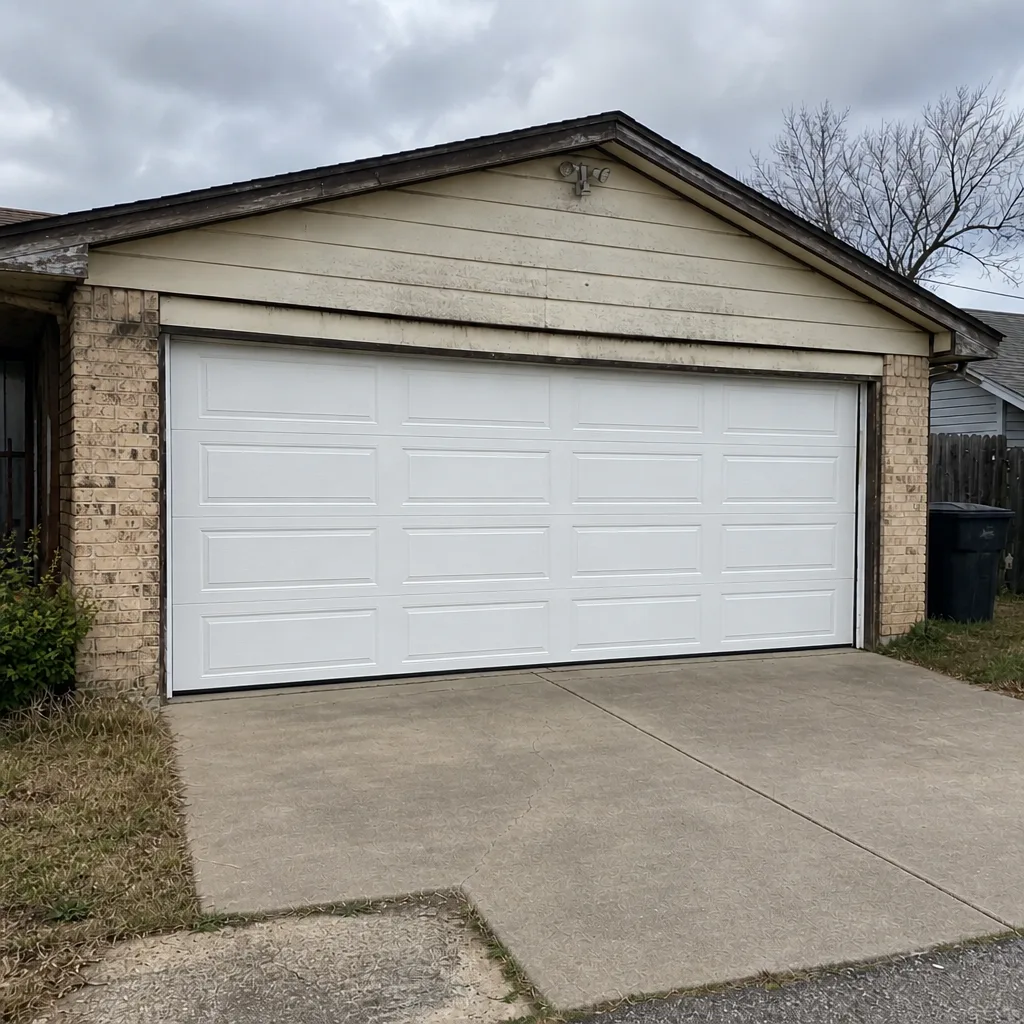 After
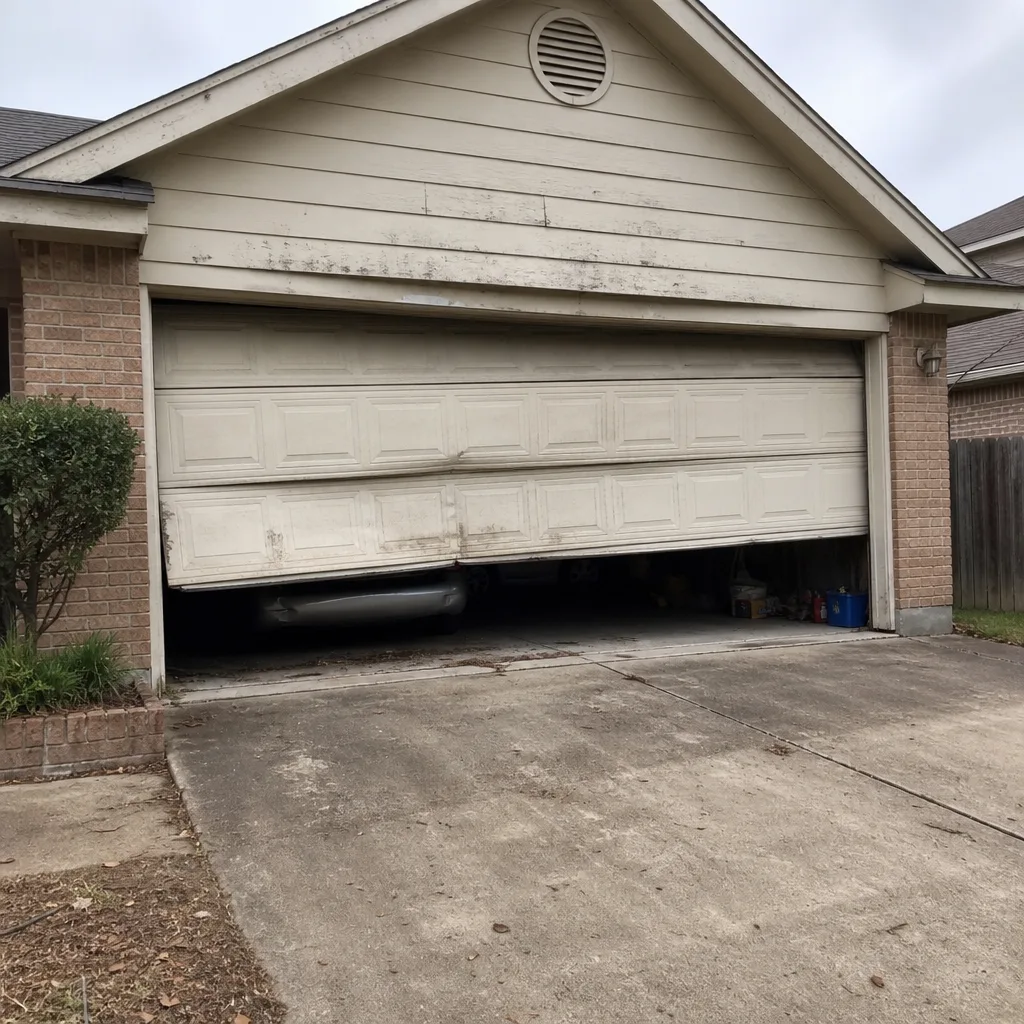 Before
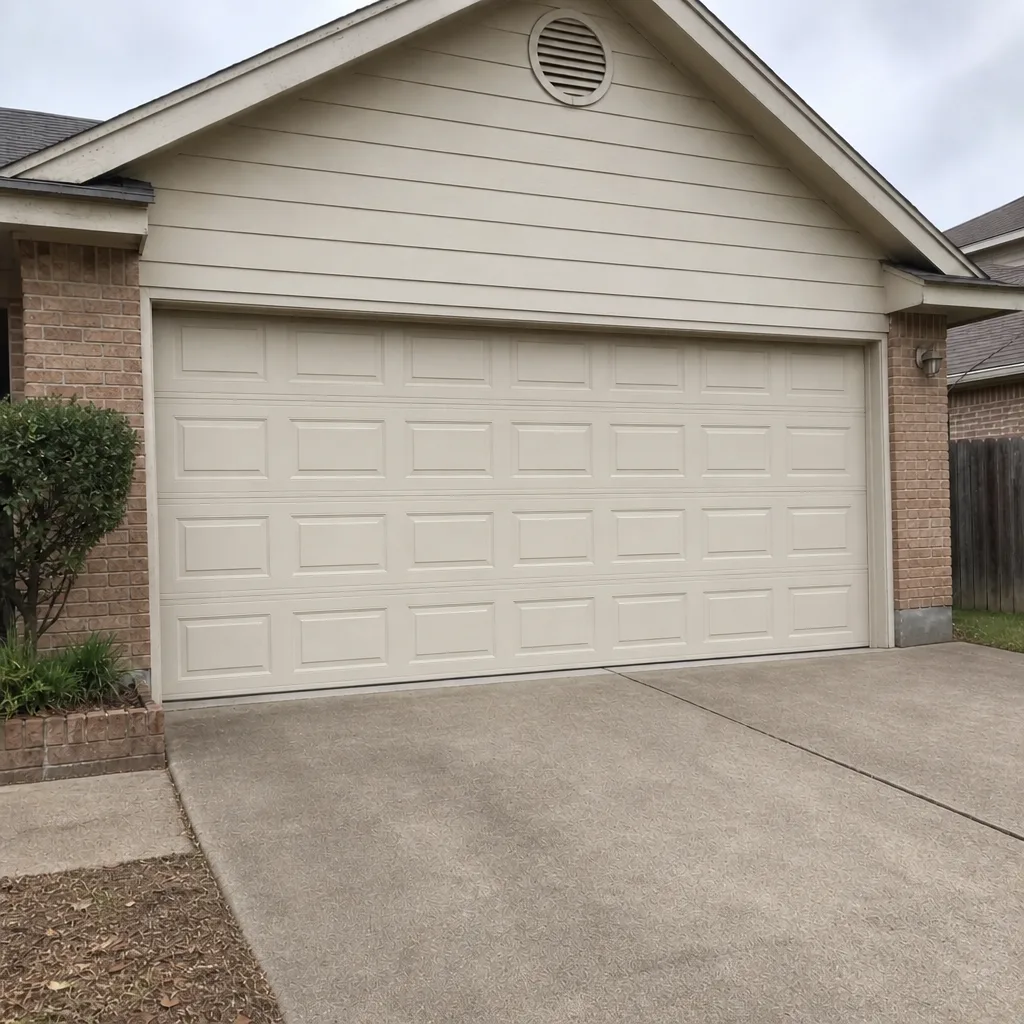 After
When to Call a Professional
Call a garage door specialist when a spring has snapped, a cable has come off the drum, or a door is stuck open or shut. Those aren’t jobs to reason through at home. A broken torsion spring stores energy even when the door looks harmless, and a door stuck open leaves your Baytown home unsecured. Shut off the opener and don’t force the door. Call us, and we’ll get a technician moving.
Also call a professional for a door that reverses on the way down, a door that opens crooked, an opener that hums but doesn’t move, or a door that stopped responding to the remote for no clear reason. We offer free estimates in Baytown and we can diagnose those without guessing. Fast dispatch from 7am to 7pm, Sunday through Friday. Same-day service for common repairs. Baytown Garage Door Repair Pros offers free estimates in Baytown, so call (877) 492-3142.
Frequently Asked Questions
Texas doesn’t license garage door contractors as a trade, so the stronger check is insurance and brand-specific training. Ask for a certificate of insurance before the appointment, confirm the company carries liability and workers’ compensation, and ask what brands and models they’re trained on. Our technicians are trained on LiftMaster, Chamberlain, Genie, Clopay, Amarr, Wayne Dalton, Craftsman, and Raynor. Call (877) 492-3142 for a free estimate.
Ask what spring size your door requires and how they’ll determine it. A specialist will describe measuring the door’s height and width, checking the existing spring’s wire diameter and inside diameter, and matching cycle life. A generalist guesses or says “standard size.” The follow-up question is whether they carry common springs and cables on the vehicle. That single answer tells you whether the repair happens today or next week. Call (877) 492-3142 for a free estimate.
Garage door repair in Baytown depends on the specific failure, and the written estimate sets the final price. A single torsion spring is the most common line item, and a matched pair typically costs about twice the price of one spring. The exact number depends on the spring’s wire diameter, inside diameter, and cycle rating. Ask for an itemized quote that names the parts, splits labor, and states the warranty. Call (877) 492-3142 for a free estimate.
In many cases yes. Spring repair is a core specialty, and we stock common torsion springs and cables, so a typical repair is often completed in the same visit. Call (877) 492-3142. We answer 24/7 and dispatch from 7am to 7pm, Sunday through Friday. A call outside dispatch hours is booked into the next opening.
No. The price is quoted and agreed before work starts, and the written estimate sets the final price. If the technician opens the door and finds something the estimate couldn’t have anticipated, a specialist stops, explains what they found, and quotes the additional work before touching anything. A price that “changes once we see it” is a red flag on any garage door repair, not a normal practice. Call (877) 492-3142 for a free estimate.
Ask directly: “What spring sizes do you keep on the vehicle, and do you stock rollers and cables for my brand?” A specialist names specific sizes and brands without pausing. A contractor who orders everything after diagnosis will tell you the door is down for days. If the repair is an emergency in Baytown, the difference matters. Call (877) 492-3142 for a free estimate.
The Bottom Line
A true garage door specialist measures the door, names the spring, stocks the common parts, and puts the price on paper before work starts. A generalist lists garage doors on a menu, guesses at spring sizing, and orders parts after diagnosis. Baytown homeowners who know the difference before the door fails choose better, pay less over time, and get a repair that holds. Use the sizing question as your filter, compare quotes line by line, verify insurance and warranty in writing, and don’t force a door with a snapped spring. If you’re at the point of choosing, hire a specialist trained on your brand’s system, springs and opener together.
Call (877) 492-3142 for a free estimate. We answer 24/7. Fast dispatch from 7am to 7pm, Sunday through Friday. Closed Saturday.
Written by the team at Baytown Garage Door Repair Pros.