
Last updated November 21, 2026
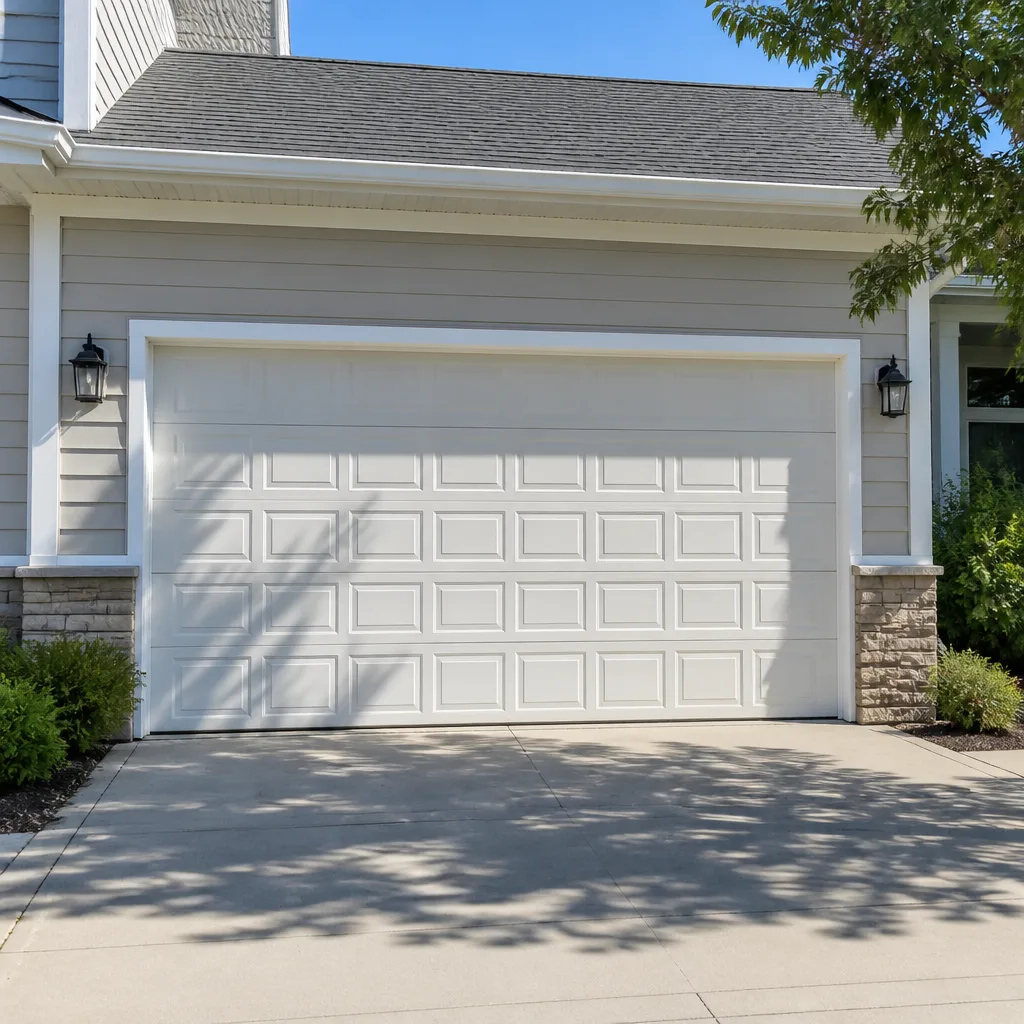 Raised-panel steel
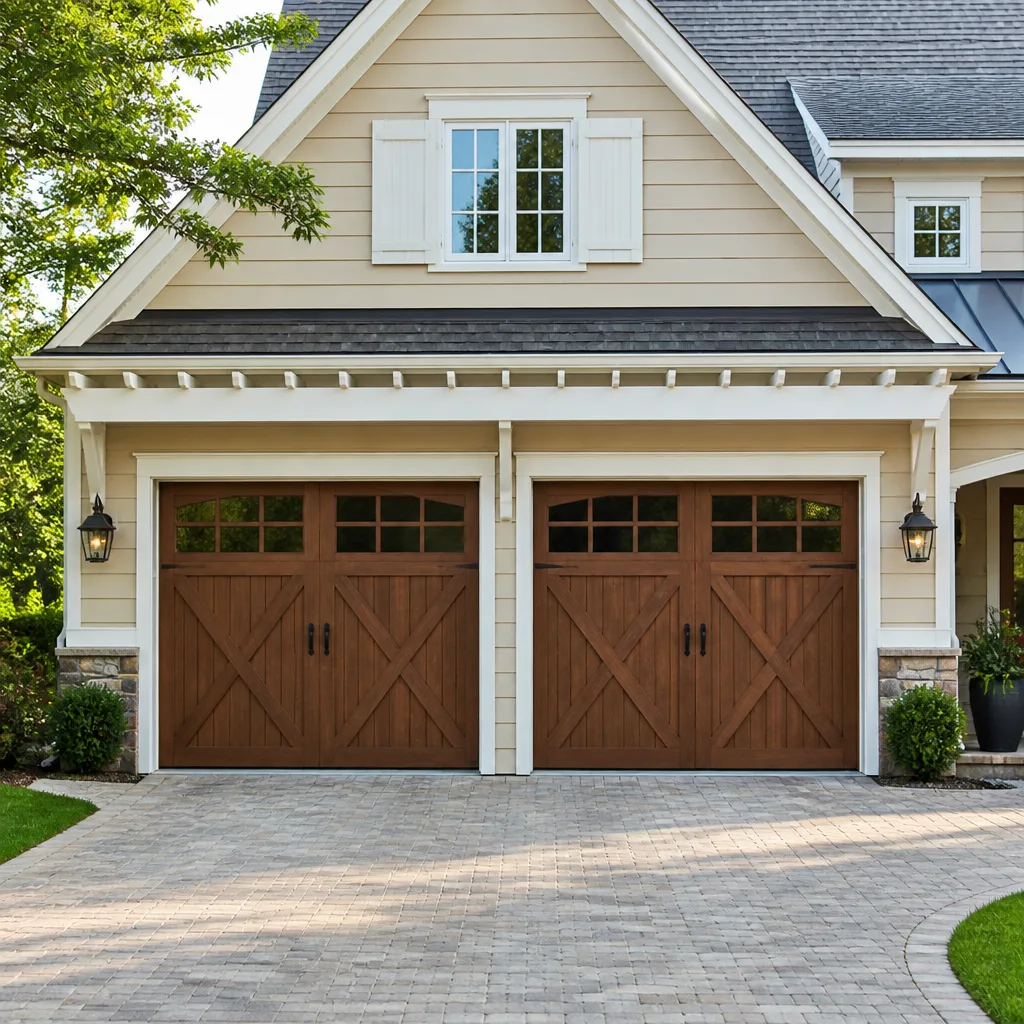 Carriage house
 Modern flush
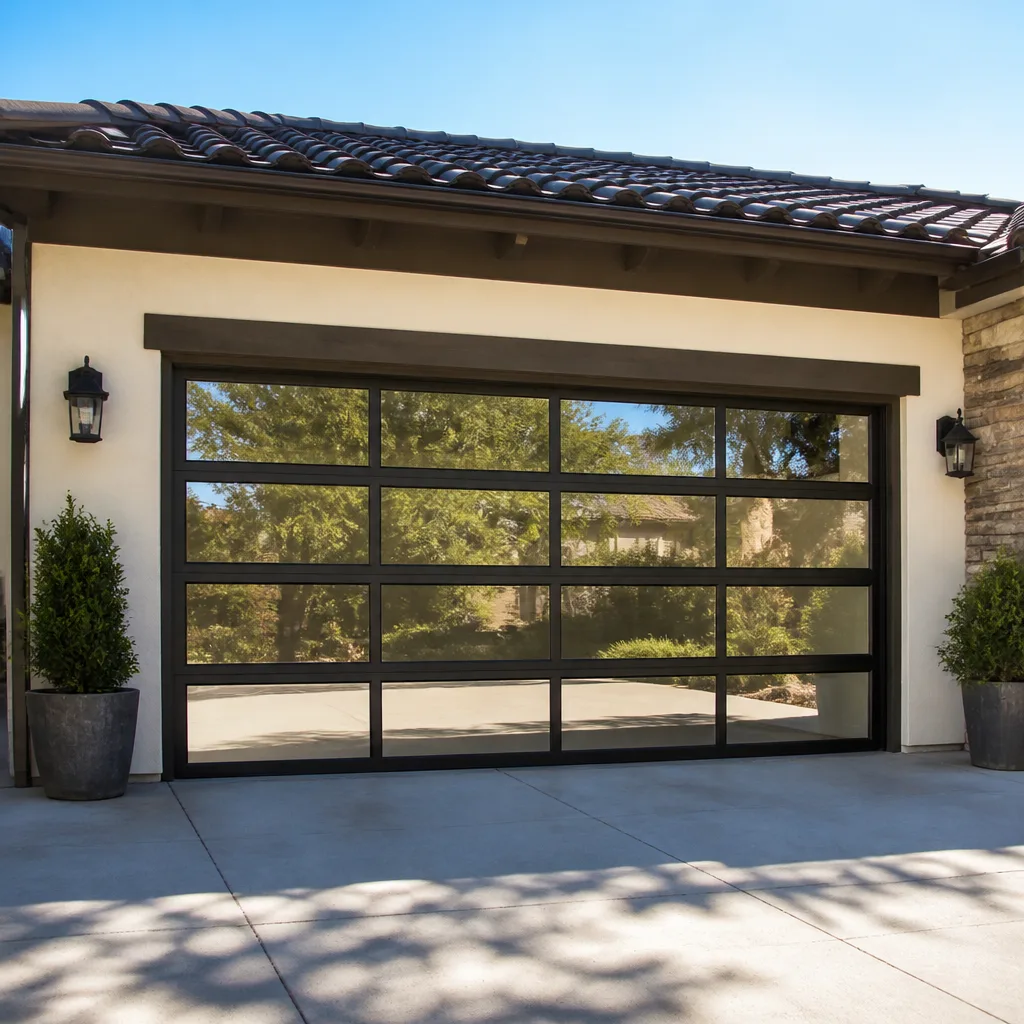 Full-view glass
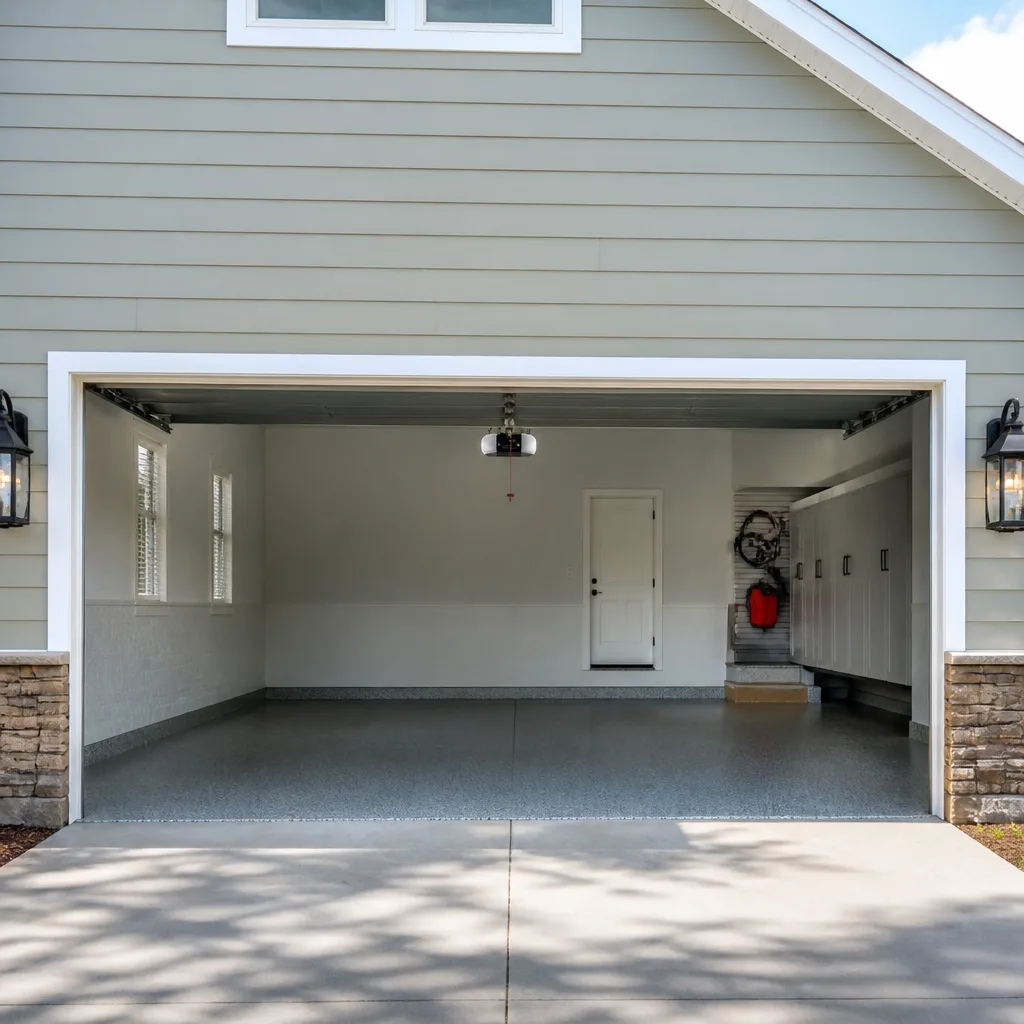 LiftMaster openers
 Chamberlain openers
Full 25-point door and opener safety check with every visit - springs, cables, rollers, tracks, and your LiftMaster or Chamberlain opener included
You get a price before we start. It does not change when the pro arrives.
Get your free estimateGarage Door Permits, Codes & Inspections in Baytown, TX: What You Need to Know
Most Baytown homeowners assume a like-for-like door swap needs no permit. That assumption is wrong in specific scenarios, and it can cost you at claim time. When a wind-damaged door gets replaced without the required permit, and the new installation doesn’t meet Harris County’s wind-load rules, a carrier has grounds to question the subsequent claim. We see the assumption constantly: the door looks the same, the opening is the same, so why involve the city? This guide answers that question properly. You’ll learn exactly when a City of Baytown permit is required and when it isn’t, how to read the Design Pressure rating on a door spec sheet, what an inspector actually checks at rough-in, and where subdivision covenants in Baytown can be stricter than municipal code.
Quick Answer
In Baytown, a permit is generally required for a new garage door installation, any change to the structural opening, and upsizing the door or its panels. Straight repair and like-for-like replacement of the same size door are typically treated as permit-exempt. Any door on a Harris County home should carry a wind-load Design Pressure rating that matches the opening it covers, and the spec sheet is where you verify it. When in doubt, call the City of Baytown building department before you buy the door.
Styles & brands we work with
- Raised-panel steel
- Carriage house
- Modern flush
- Full-view glass
- LiftMaster openers
- Chamberlain openers
Table of Contents
- When Does a Garage Door Need a Permit in Baytown?
- Hurricane Wind-Load Ratings in Harris County
- How to Pull a Permit: DIY vs. Licensed Contractor
- What a Rough-In Inspection Actually Checks
- HOA Overlay: When Covenants Beat Code
- How to Read a Garage Door Spec Sheet
- Repairs That Never Need a Permit
- Frequently Asked Questions
When Does a Garage Door Need a Permit in Baytown?
A garage door permit in Baytown is required when the work changes the building envelope, not when it restores it. That’s the line, and it’s the cleanest way to think about it. New installation on new construction needs a permit as part of the build. So does enlarging the opening, raising the header, or moving to a taller or wider door. So does converting a manual opening to one framed for a heavier door.
Here’s the practical breakdown homeowners ask us about most:
- New door in an existing opening, same dimensions: usually permit-exempt, though the door itself must still meet wind-load requirements.
- New door, different dimensions (taller, wider, different panel count): permit required, because the structural opening is changing.
- New construction or an addition: permit required, and the garage door is part of the scope.
- Spring replacement, cable replacement, roller replacement, track realignment: permit-exempt everywhere. These are repairs to an existing assembly.
- Opener replacement: permit-exempt in most cases, but electrical work to add a new circuit is a separate question for your electrician.
We tell Baytown homeowners the same thing every time: the answer depends on whether you’re changing the rough opening’s dimensions. Measure the opening before you buy anything. If the new door fits the old opening exactly, you’re almost certainly in exempt territory. If it doesn’t, you’re not, and the permit needs to be pulled before the door goes up. Ask the City of Baytown building department to confirm for your specific address, since a property in a flood zone or a special overlay can carry additional review.
Hurricane Wind-Load Ratings in Harris County
Texas windstorm rules are why the door spec sheet matters more than the door’s color. Harris County homes fall under wind-load requirements that set a minimum Design Pressure, or DP rating, for exterior openings. The garage door is a large exterior opening. It needs to resist the same design pressure as the walls and windows around it.
What DP means in practice: it’s a pressure rating expressed as a positive and negative number, such as +30/-30, that describes how much pressure the installed assembly can take before it deforms or fails. A door rated for a lower pressure than your opening requires is the wrong door for that opening, even if it fits perfectly and looks right. The rating is printed on the manufacturer’s spec sheet, along with the specific installation configuration it applies to. And that last part is where people get tripped up.
The configuration matters as much as the number
A DP rating isn’t a property of the door panel alone. It applies to a tested assembly: the door, the specific track, the specific brackets, the specific anchor spacing, and the reinforcement method used. A Clopay or Amarr door rated to a given pressure with a standard track setup may be rated differently with a different track or a different reinforcement kit. The number on the front of the brochure isn’t the number that applies to your installation unless the configuration matches.
In our experience, this is where wind-load compliance quietly breaks down. The door is correct and the paperwork is correct, but the anchoring or reinforcement wasn’t installed to the tested configuration. That gap matters most in a storm claim. If the carrier asks for documentation that the door was installed to a rated configuration, the permit record and the inspection history are what answers the question. Door brands like Wayne Dalton, Clopay, Amarr, and Craftsman all publish the configs clearly. What gets lost is the installer’s follow-through. This is also why we treat a wind-rated door as a system rather than a panel: springs, tracks, brackets, and anchors all belong to the same assembly.
How to Pull a Permit: DIY vs. Licensed Contractor
You can pull a garage door permit in Baytown yourself as the homeowner. Many homeowners do, especially on a door swap where the opening is changing and the job is straightforward. The permit belongs to the property and the work, and the city will issue it to the property owner. Here’s the process, step by step:
- Confirm the permit is needed. Call the City of Baytown building department and describe the change in dimensions. Ask whether a permit is required for your specific address.
- Get the door spec sheet first. You’ll need the manufacturer’s wind-load documentation, showing the DP rating and the tested installation configuration for your opening size.
- Submit the permit application. Include the scope of work, the door spec, the DP rating documentation, and a simple drawing of the opening dimensions.
- Wait for review before you install. The door doesn’t go up until the permit is issued. This is the rule people skip, and it’s the one that creates problems.
- Schedule the rough-in inspection once the assembly is installed and before you call the job finished.
- Keep the signed-off inspection. Store it with your home records, next to your insurance policy. It’s the document that supports a claim if the door is ever damaged.
A licensed contractor can pull the permit on your behalf, and most do. When a contractor pulls it, the permit and the inspection record end up in the contractor’s name rather than yours, and the city inspects the work the contractor performed. That chain of responsibility is what an insurer wants to see. If you’re hiring out the job, ask up front who’s pulling the permit. A contractor who tells you a permit isn’t needed on a job that clearly changes the opening dimensions is telling you something about how the rest of the job will go.
What a Rough-In Inspection Actually Checks
A rough-in inspection for a garage door isn’t a cosmetic review. The inspector is verifying that the installed assembly matches the tested configuration in the wind-load documentation and that the load path from the door to the structure is sound. Three things come up again and again.
Header bracket placement
On a torsion system, the center bearing plate and the header bracket carry real load. The inspector checks that they’re attached to the header or to structural framing (never to drywall or to a ledger that isn’t structural) and that the attachment matches the spec. A bracket lagged into the wrong place is a fail, and it’s a safety issue independent of wind. Torsion springs store enormous energy, and a bracket that pulls free under load is genuinely dangerous.
Horizontal track pitch
The horizontal tracks need the right pitch back toward the rear so the door closes evenly and doesn’t creep open. Too flat and the door drifts; too steep and the openers strain to hold it. The inspector checks pitch as it relates to the door’s proper operation and the tested assembly, since the track is part of the wind-rated configuration.
Spring anchor placement
The anchor point at the rear of a horizontal track carries the load of the door in the open position. The inspector checks that it’s anchored into structural framing with the fasteners the spec calls for. This one is easy to get wrong on a retrofit where the original framing doesn’t match what the new door needs.
Other common fail points include missing reinforcement hardware when the door size calls for it, and anchoring that was installed with the wrong fastener type for the substrate. The fix is usually small. The lesson is that the inspection is checking whether the install matches the paperwork, and most fails happen when the install drifted from the spec while the paperwork stayed accurate.
HOA Overlay: When Covenants Beat Code
Municipal code sets the floor. Subdivision covenants can set a higher one. In Baytown, and across the newer subdivisions in the surrounding area, restrictive covenants frequently govern garage door style far more tightly than the city ever would.
What covenants commonly control:
- Door style: some subdivisions restrict a door to a specific panel style, ruling out certain carriage-house or raised-panel designs.
- Color: covenants often specify an approved palette rather than allowing an open choice. A color that passes the city passes nothing if the HOA has a different list.
- Window placement and glazing: windows on the top panel only, or none at all, appears in a lot of covenant language.
- Material and visible hardware: some restrict to steel; some forbid exposed hinge and handle sets on the street-facing side.
HOA compliance runs on its own track, separate from the permit. Read your covenants before you order a door. Get written approval from your architectural review committee if one exists. This is separate from the permit, and a City of Baytown permit doesn’t relax a covenant. If your HOA rejects the door after installation, the remedy is often to replace it, and that’s an expensive way to learn to read the fine print first. We always ask a Baytown customer for their HOA documentation before recommending a door style, because we’d rather advise on a compliant door than redo a job.
How to Read a Garage Door Spec Sheet
The spec sheet is the single document that determines whether your door complies. It’s less intimidating than it looks once you know which sections matter. Here’s what to look for, in order.
- Model and size. Match the model number and the door width and height to exactly what you’re installing. A spec sheet for a different size doesn’t cover your opening.
- Wind-load section. Look for a table of Design Pressure ratings. Find the row for your size and for the reinforcement level being quoted. Confirm the DP number meets or exceeds what your opening requires.
- Tested configuration notes. Read the fine print under the wind-load table. It will name the specific track, brackets, reinforcement, and anchor spacing used in the tested assembly. Your installation has to match those notes.
- Fastener specifications. Under “installation” or “anchoring,” the sheet names the fastener type and placement. This is what an inspector checks.
- Component compatibility. If the sheet is for a Wayne Dalton door, the torsion hardware and springs listed are the ones that maintain the rated configuration. Mixing in off-brand hardware can step outside the tested assembly.
Save the sheet. It’s your evidence if you ever file a claim, and it’s what the permit application needs. We keep spec sheets on file for every installation we’re involved with, and we hand the customer a copy. If a Baytown customer can’t find theirs years later, the manufacturer can usually reissue it. The permit record at the city is the other piece of the trail, which is one more reason not to skip it.
Repairs That Never Need a Permit
Most of what we do doesn’t involve a permit at all. A snapped spring, a frayed cable, a bent track, a door that’s come off its rollers – these are repairs to an existing, already-installed assembly. No permit, no inspection, no paperwork with the city. That’s true whether it’s a garage door spring repair on a Wayne Dalton door or a track realignment after a car backed into the frame.
Two categories are worth separating:
- Structural repairs to the door assembly: springs, cables, rollers, hinges, panels, tracks. All permit-exempt.
- Opener and electrical work: replacing an opener is generally exempt, but adding a new electrical circuit for a new opener is electrical work and follows electrical rules. We handle the opener; a licensed electrician handles new circuits.
Where the line gets crossed is panel upsizing. If you’re converting a single door into a double, or a standard door into a taller one, you’re changing the rough opening, and that’s a structural change. Same with converting a manual door to an automatic one where the frame needs reinforcement. When a repair turns into a structural change, the permit conversation starts. We’ve handled this on both sides: straightforward repairs that need nothing from the city, and full installations where the permit is part of the job from day one. For the repair case, see garage door repair for the common jobs and typical prices. For an opener that’s failed on a wind-rated assembly, garage door opener repair covers the LiftMaster, Chamberlain, and Genie units we work on most.
A note on safety
Two parts of the system are genuinely dangerous to handle: the torsion springs and the cables. Torsion springs store tremendous energy even after the door is down, and cables are under tension at all times. We don’t recommend DIY work on either. A trained technician has the right bars, the right winding procedures, and the right understanding of how much energy is in the system. This isn’t caution for its own sake; it’s the one part of garage door work where a mistake can put someone in the hospital. Spring work is a core specialty for us precisely because it’s the highest-risk repair on the door.
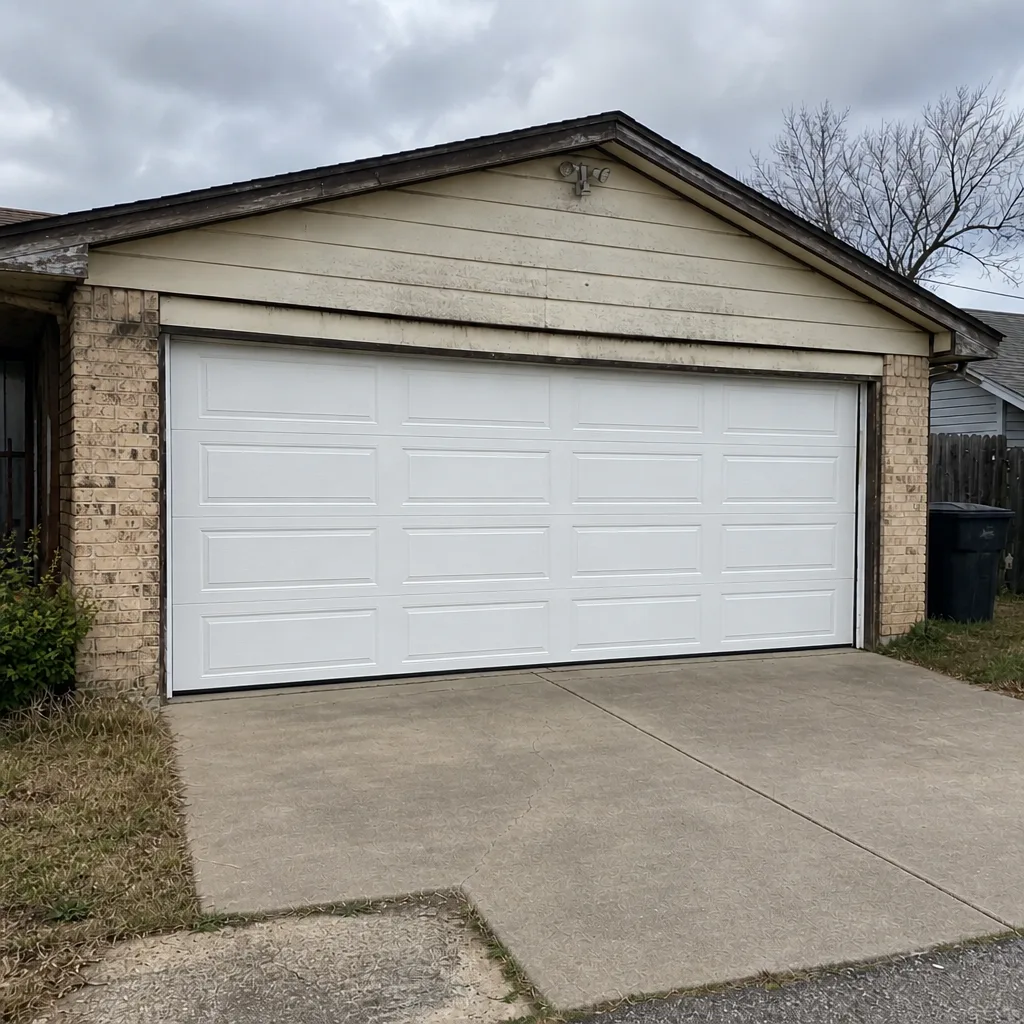
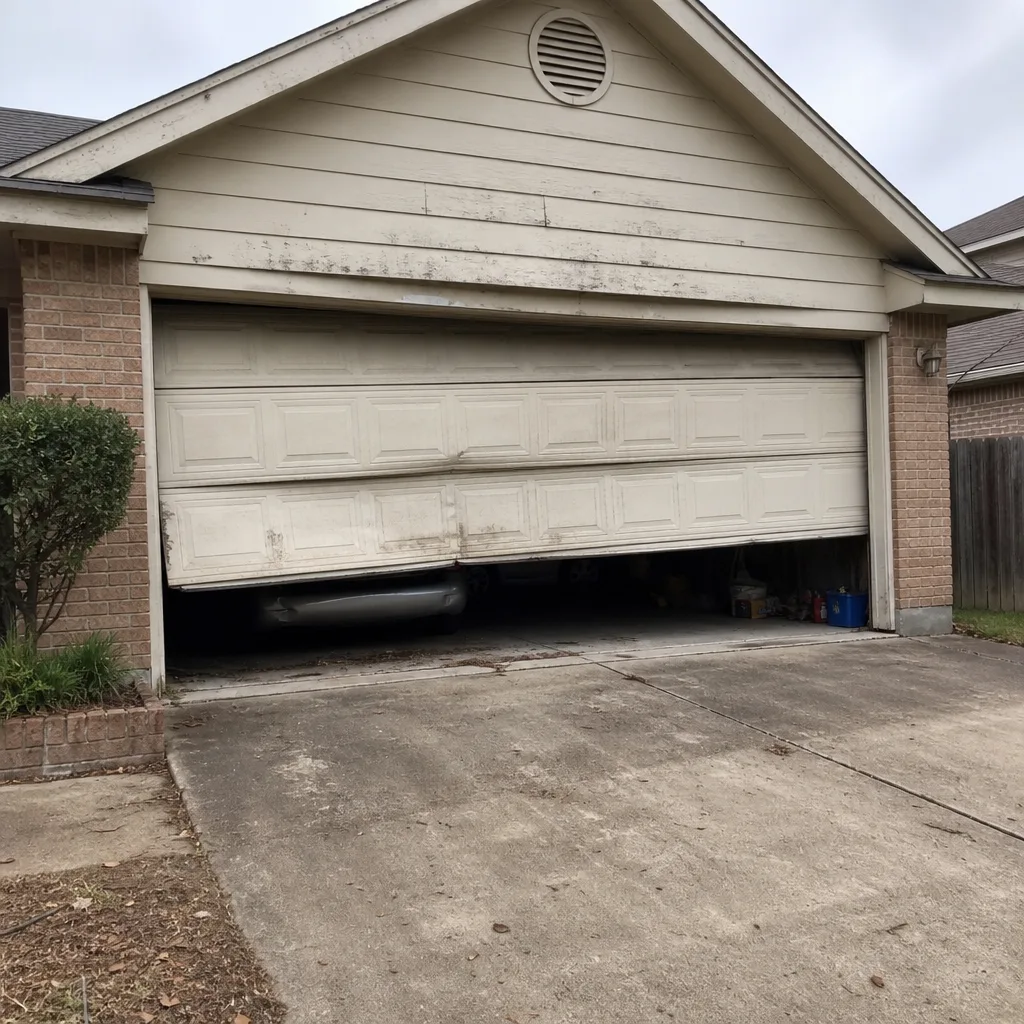
See the difference
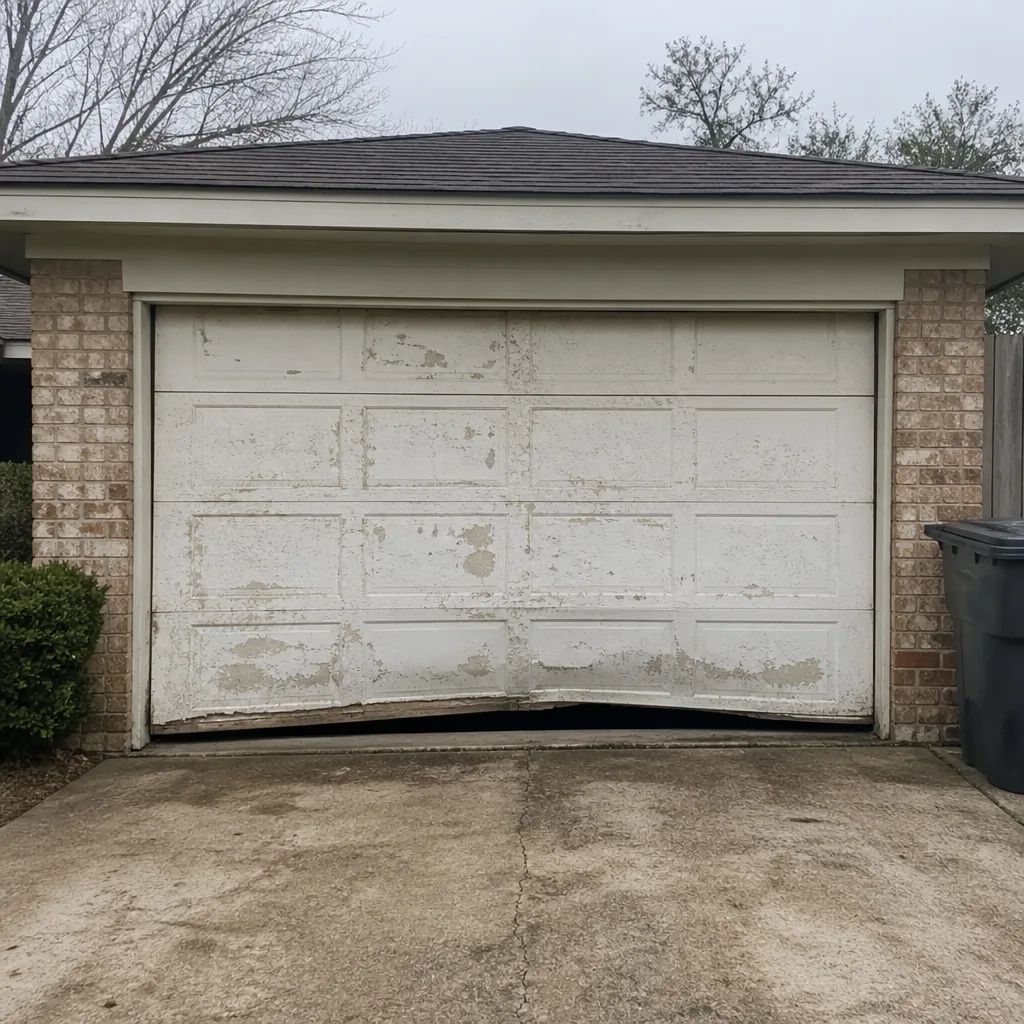 Before
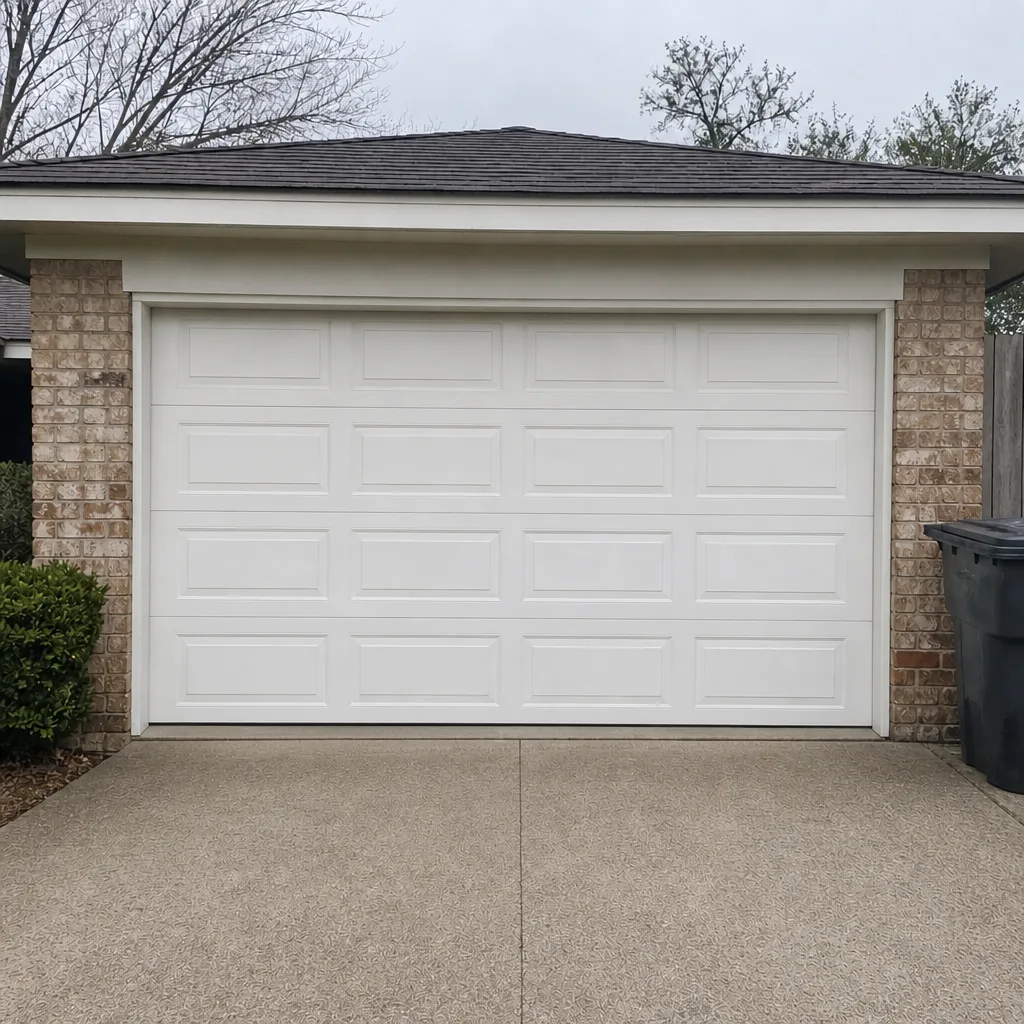 After
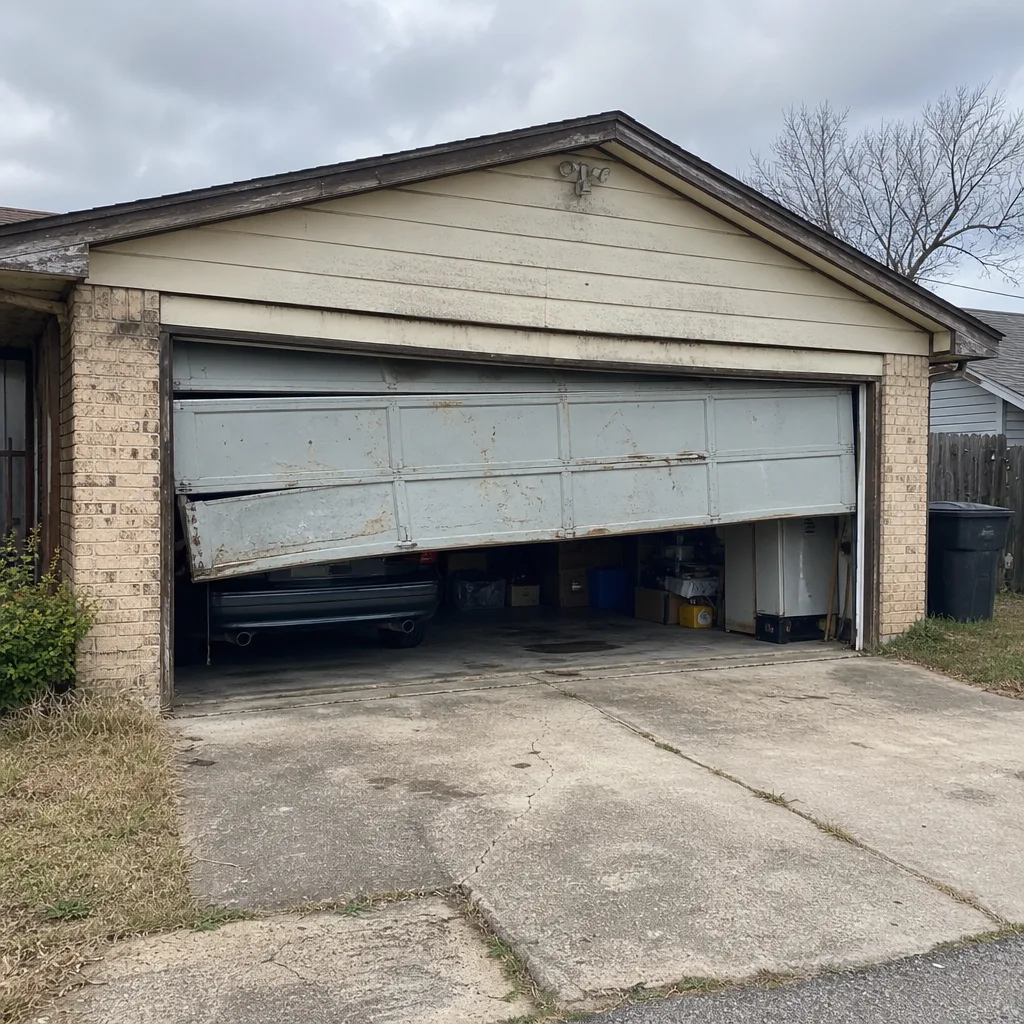 Before
 After
 Before
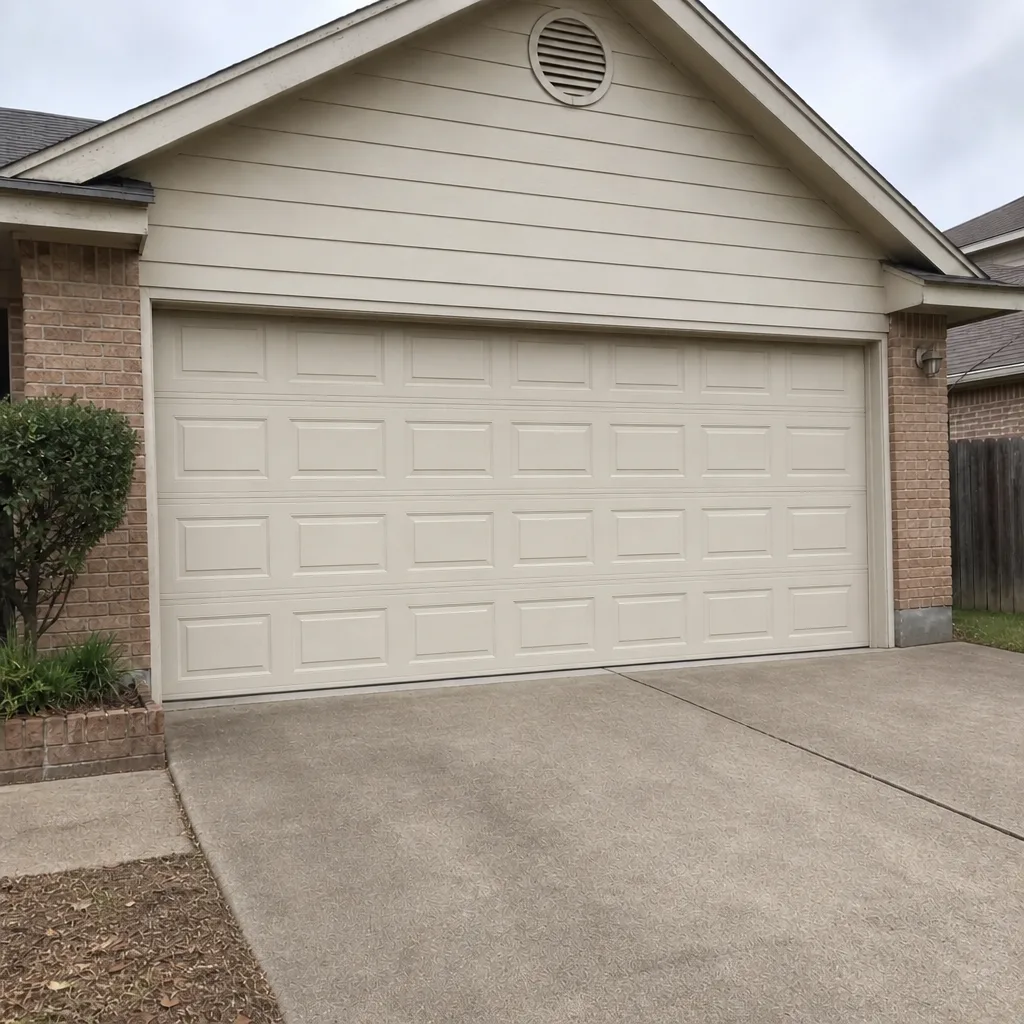 After
Common Mistakes to Avoid
- Assuming a like-for-like swap needs no permit. Measure the opening before anything ships. If the dimensions change even slightly, you likely need a permit, and installing before it’s issued is the mistake that can’t be undone.
- Buying the door before checking the DP rating. A beautiful door with the wrong DP rating for your Harris County opening is the wrong door. Get the wind-load section of the spec sheet before you sign the order.
- Skipping the HOA check because the permit is approved. City approval and covenant compliance are separate. The city permitting a door says nothing about whether your subdivision allows it.
- Installing before the permit is issued. Pull first, install after. Installing first and asking forgiveness doesn’t work when there’s an inspection record involved.
- Losing the inspection documentation. Store the signed rough-in inspection and the door spec sheet with your home records. It’s the paper trail an insurer asks about after storm damage.
- Trusting a general handyman with a wind-rated assembly. A wind-rated door is a tested system, and it has to go in as one. A generalist who’s never dealt with DP documentation won’t install to the tested configuration. This is a place for a garage door specialist, not a generalist.
- Not asking who pulls the permit. Get it in writing. If the contractor pulls it, the record belongs to them and lives in their name; if you pull it, it’s on you.
When to Call a Professional
Call a professional when the answer to “does this need a permit?” is yes, when the door has a DP rating and a tested configuration that has to be honored, or when the job involves torsion springs or cables. We handle the full permit process alongside the installation, and we keep the spec sheet and the inspection on file for our customers. Any door on a Harris County home should be treated as a rated assembly, and a rated assembly deserves an installer who installs to the rating. That’s the whole reason a garage door specialist exists as a distinct trade. Baytown Garage Door Repair Pros offers free estimates in Baytown, call (877) 492-3142. We answer 24/7, with fast dispatch from 7am to 7pm, Sunday through Friday. The price is set by the written estimate before any work begins.
Frequently Asked Questions
It depends on whether the opening is changing. A like-for-like replacement in the same dimensions is typically permit-exempt, while a new installation, a change to the rough opening, or upsizing the door or panels generally requires a permit from the City of Baytown. Call the building department to confirm for your address, and call (877) 492-3142 if you’d like us to walk through the scope with you, estimates are free.
It needs a Design Pressure rating that meets or exceeds what’s required for your opening, and the door must be installed in the tested configuration the rating is based on. The exact DP number depends on the door size and the opening’s exposure, and it’s printed in the wind-load section of the manufacturer’s spec sheet. We can help you read that section, call (877) 492-3142 for a free estimate.
Yes. As the property owner you can pull the permit in Baytown, submit the door spec and DP documentation, and schedule the rough-in inspection yourself. A licensed contractor can also pull it on your behalf, which puts the permit and inspection record in their name. Either way, install after the permit is issued, not before. Call (877) 492-3142 and we’ll tell you which route fits your job.
It checks that the installed assembly matches the tested wind-load configuration, with particular attention to header bracket and center bearing placement, horizontal track pitch, and the rear spring anchor attachment to structural framing. Missing reinforcement hardware and incorrect anchor fasteners are common fail points. Estimates for the inspection-ready installation are free, call (877) 492-3142.
Often, yes. Covenants in Baytown subdivisions regularly restrict door style, color, window placement, and visible hardware more tightly than municipal code, and HOA approval is a separate track from the permit. Read your covenants and get the review committee’s written approval before ordering. Call (877) 492-3142 if you want help choosing a compliant Clopay or Amarr style.
No. Spring, cable, roller, and track repairs are permit-exempt because they restore an existing assembly rather than changing the building envelope. They’re also the most dangerous repairs on the door, which is why we handle them as a specialty. Call (877) 492-3142. We answer 24/7 with fast dispatch from 7am to 7pm, Sunday through Friday, and the price is quoted and agreed before any work starts.
The Bottom Line
Permit requirements get decided by whether you’re changing the opening’s dimensions, not by whether the door looks different. Replace like-for-like and you’re usually in exempt territory. Change the size, the header, or the frame, and the permit comes first. Any wind-rated door on a Harris County home needs the right DP rating for its opening, installed to the tested configuration on the spec sheet. The rough-in inspection checks exactly that. Read your HOA covenants before you order, save the spec sheet and inspection record, and don’t let a generalist install a rated assembly. Baytown Garage Door Repair Pros is a garage door specialist for the whole system. For anything from a snapped spring to a full wind-rated installation, call (877) 492-3142. We answer 24/7 with fast dispatch from 7am to 7pm, Sunday through Friday, free estimates, and a written price agreed before work starts. See Baytown Garage Door Repair Pros for the full scope of what we do.
Written by the team at Baytown Garage Door Repair Pros.